Your Word Was Your Credit Score: When Buying a Car Meant Looking Your Dealer in the Eye

When Dealers Were Neighbors, Not Salespeople
Step into Bob's Chevrolet in downtown Anywhere, USA, circa 1965. The man behind the desk isn't just a salesperson—he's Bob himself, second-generation owner whose father started the dealership when the town was half its current size. He knows your dad from the Rotary Club, remembers when you graduated high school, and has a pretty good idea whether you're the type to make your payments on time.
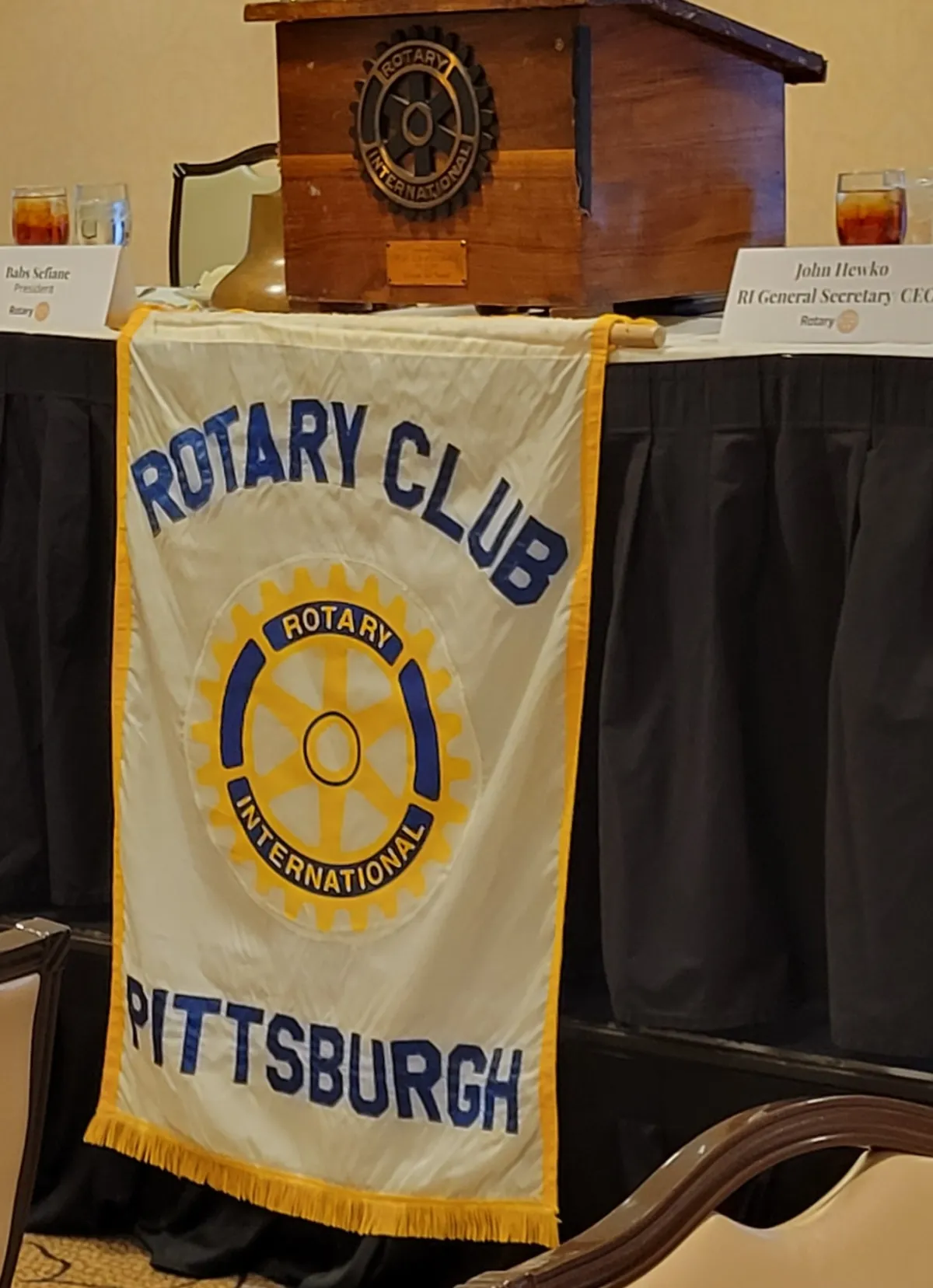 Photo: Rotary Club, via ukrchi.com
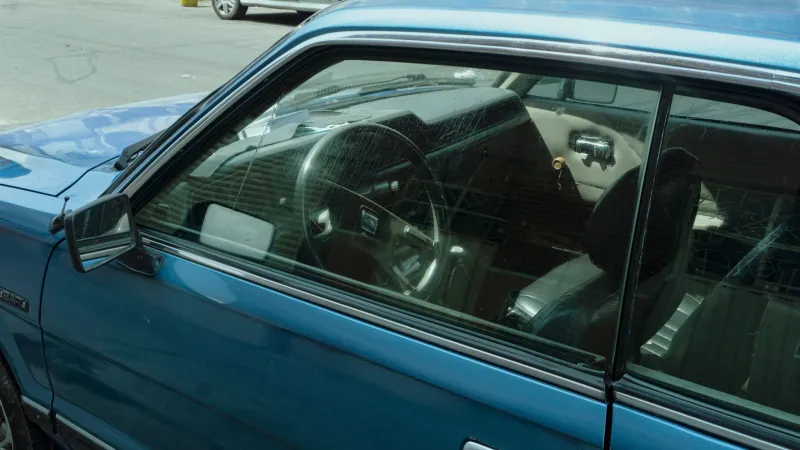
 Photo: Bob's Chevrolet, via 2.bp.blogspot.com
This wasn't unusual; it was how America bought cars for the better part of a century. Local dealerships were community institutions, woven into the social fabric of their towns. The relationship between buyer and seller extended far beyond a single transaction, creating a web of mutual accountability that made today's credit scoring systems seem almost quaint.
The Handshake Economy
In the era before computerized credit reporting, character assessment happened face-to-face. Dealers developed an almost supernatural ability to size up potential customers, relying on local knowledge, personal references, and gut instinct to determine creditworthiness. Your reputation in the community mattered more than any three-digit score.
"I've known your family for twenty years," was worth more than a 750 credit rating. Employment at the local factory, regular attendance at the Methodist church, or a recommendation from the bank president could secure financing that today's algorithms would automatically deny. The system ran on trust, reinforced by the reality that everyone involved lived in the same small world.
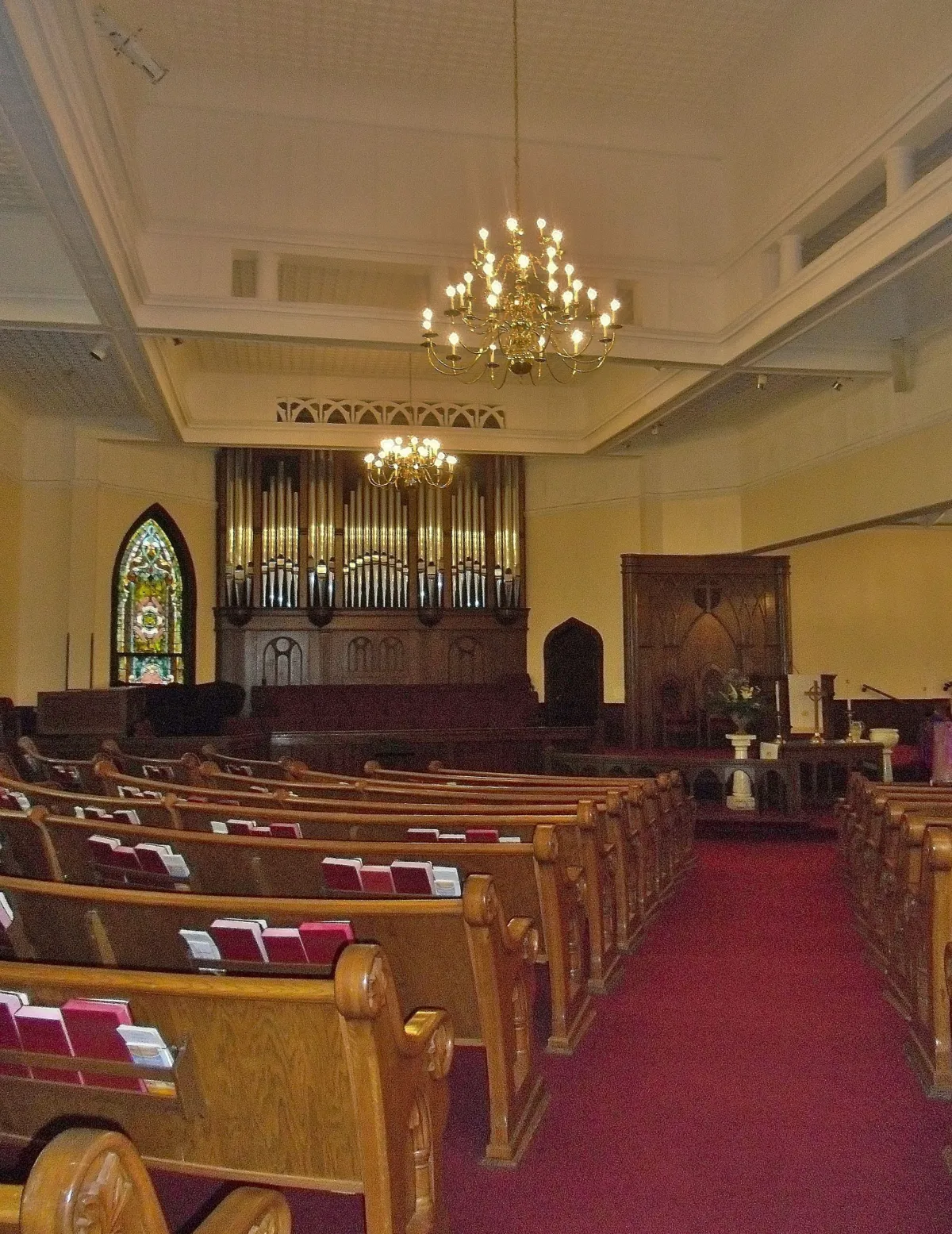 Photo: Methodist church, via i.pinimg.com
Financing paperwork consisted of a single sheet with basic information: name, address, employment, and monthly payment preference. Many deals were structured around what buyers could afford rather than what lending formulas dictated they qualified for. If you needed $75 monthly payments instead of $85, dealers would adjust the terms to make it work.
The Corner Office Confession
Buying a car meant spending time in the dealer's private office, often decorated with family photos and community awards. These weren't sterile finance cubicles designed for quick transactions; they were spaces where serious conversations happened. Dealers would ask about your family, your job prospects, even your plans for the future.
This personal approach served both parties. Buyers felt like valued customers rather than credit applications, while dealers gained insights no credit report could provide. They learned about upcoming promotions at work, family circumstances that might affect payment ability, and the buyer's genuine commitment to maintaining their reputation in the community.
The negotiation process reflected this relationship-based approach. Prices weren't set in stone, and creative financing arrangements were common. Dealers might accept unusual trade-ins, defer first payments, or structure deals around seasonal employment patterns. The goal was finding a way to put the customer in a new car, not maximizing profit on a single transaction.
When Your Job Was Your Credit Report
Employment verification was refreshingly simple: dealers knew where everyone worked because they probably sold cars to half the people at every major employer in town. The plant manager at the steel mill, the principal at the high school, the owner of the largest farm—these were people dealers interacted with regularly, creating an informal network of employment references.
Job stability mattered more than income level. A factory worker with twenty years at the same plant was a better credit risk than a traveling salesman making twice as much. Dealers understood local employment patterns, knew which businesses were thriving and which were struggling, and factored this knowledge into their lending decisions.
Seasonal workers—farmers, construction crews, tourism employees—could secure financing based on their established patterns of income rather than their current pay stub. Dealers would structure payments around harvest seasons or construction cycles, accommodating the natural rhythms of local economic life.
The Social Credit System
Community standing functioned as an informal credit reporting system. Church membership, civic involvement, family reputation, and local business relationships all influenced a dealer's willingness to extend credit. This social credit system was more nuanced than modern scoring algorithms, capturing aspects of character that financial data alone couldn't reveal.
Defaulting on a car loan meant more than damaged credit—it meant facing disappointed neighbors, awkward encounters at the grocery store, and exclusion from the social networks that made small-town life function. This community accountability made payment defaults relatively rare, despite the absence of sophisticated risk assessment tools.
The Death of the Deal
The transformation began in the 1970s as corporate ownership replaced family dealerships and computerized credit reporting standardized the lending process. What had been a deeply personal transaction became increasingly automated, prioritizing efficiency over relationship.
Credit scores eliminated the need for local knowledge, while corporate policies reduced dealer discretion. The three-hour finance office session replaced the twenty-minute handshake deal. Buyers became data points processed through algorithms designed to minimize risk rather than maximize customer satisfaction.
Modern car buying involves multiple credit checks, income verification, employment confirmation, and insurance requirements before anyone discusses actual vehicles. The process assumes distrust rather than building on community relationships, treating every transaction as a potential fraud rather than a neighborly exchange.
What We Gained in the Exchange
Today's system undeniably offers advantages. Credit scoring provides more consistent and objective evaluation, reducing discrimination based on social connections or personal bias. Standardized lending practices protect consumers from predatory dealers while ensuring fair access to credit regardless of local relationships.
Competitive financing rates, extended warranties, and consumer protection laws create safeguards that didn't exist in the handshake era. Buyers can research prices online, compare financing options, and make informed decisions without relying on a single dealer's honesty.
The Price of Progress
But something essential was lost when car buying became a corporate transaction. The personal relationship between dealers and customers created accountability on both sides that algorithms can't replicate. When your dealer lived down the street and attended the same community events, customer service meant something deeper than corporate policy.
The old system's emphasis on character over credit score recognized that financial worthiness involves more than payment history. A person's commitment to their community, their work ethic, and their personal integrity were considered relevant factors in determining their likelihood to honor financial obligations.
Perhaps most significantly, we lost the sense that major purchases were community events that strengthened local relationships rather than corporate transactions that enriched distant shareholders. When buying a car meant looking your dealer in the eye and shaking hands on a deal, both parties had skin in the game that extended far beyond the monthly payment.
The handshake deal represented more than just a financing method—it embodied a fundamentally different approach to economic relationships, one based on trust, community knowledge, and mutual accountability. In gaining efficiency and fairness, we've sacrificed the human connection that once made major purchases feel like partnerships rather than processed transactions.