Grease-Stained Sundays: When Every Dad Was a Mechanic and Every Garage Was a Classroom
The Saturday Morning Ritual
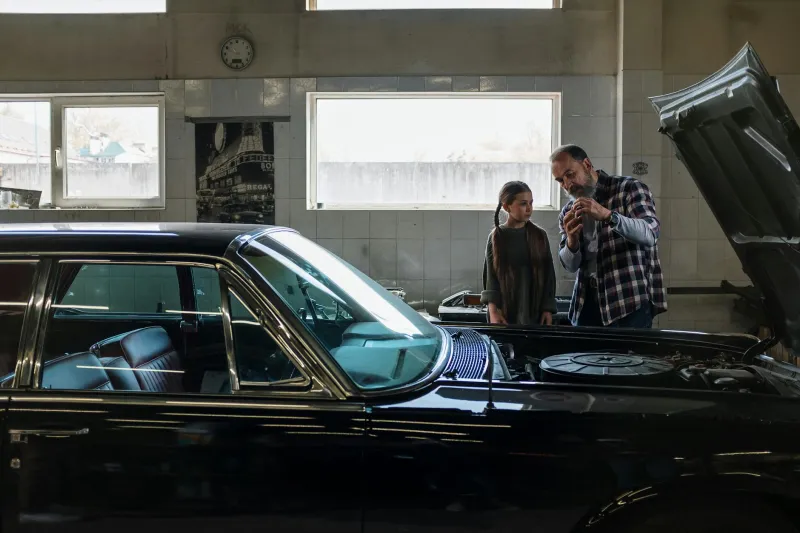
Every weekend across America, a familiar scene played out in driveways from coast to coast: fathers and sons hunched over open hoods, tools scattered across concrete, the sweet smell of motor oil mixing with weekend coffee. For the better part of a century, knowing your way around an engine wasn't just practical—it was a rite of passage as American as baseball and apple pie.
Walk through any neighborhood in 1975, and you'd hear the symphony of backyard mechanics: the clink of wrenches, the satisfied grunt of a stubborn bolt finally giving way, the proud rumble of an engine brought back to life by nothing more than determination and a $3 part from the local auto store.
When Cars Were Puzzles, Not Black Boxes
Back then, automobiles were mechanical marvels you could actually understand. Pop the hood of a 1968 Chevelle, and every component had a clear purpose you could see and touch. Carburetors mixed air and fuel through simple physics. Distributors fired spark plugs in perfect sequence. When something broke, you could usually spot the problem with your eyes and fix it with basic tools.
Fathers didn't just teach their kids to change oil—they passed down mechanical literacy like a family heirloom. "See this belt? When it squeals, it needs tightening. Feel how loose this connection is? That's your problem right there." These weren't just repair lessons; they were tutorials in cause and effect, in understanding how complex systems actually worked.
The local auto parts store was a community hub where knowledge flowed as freely as coffee. Behind the counter stood guys who'd been turning wrenches since the Eisenhower administration, ready to diagnose your engine troubles based on nothing more than the sound you made when describing the problem.
The Great Mechanical Divorce
Then something fundamental shifted. By the 1990s, computer chips began replacing mechanical components. Fuel injection systems eliminated carburetors. Electronic sensors took over jobs that human intuition used to handle. What had been a weekend hobby for millions of Americans became the exclusive domain of certified technicians with $50,000 diagnostic computers.
Today's engines arrive sealed in plastic shrouds, their critical components hidden beneath layers of covers that require special tools just to remove. Modern cars throw cryptic error codes that mean nothing without proprietary software. Try to replace a simple component, and you'll likely void warranties worth more than entire cars used to cost.
The transformation happened gradually, then suddenly. One generation grew up learning that a rough idle meant dirty spark plugs; the next generation learned to schedule service appointments and hope for the best.
What We Lost in Translation
The death of backyard mechanics represents more than just the end of a hobby—it marked the beginning of a fundamental shift in how Americans relate to the machines that define modern life. When you understand how something works, you feel ownership over it. When it's a mystery, you become dependent on experts who speak in technical jargon and charge by the hour.
Those grease-stained Saturday mornings taught lessons that extended far beyond automotive repair. Working on cars developed problem-solving skills, patience, and the confidence that comes from fixing something with your own hands. Kids learned that complex problems often have simple solutions, and that persistence usually beats perfection.
Fathers and sons bonded over shared frustration and eventual triumph. There's something primal about conquering a mechanical challenge together, about the moment when an engine that's been silent for weeks suddenly roars back to life because you figured out what it needed.
The New Reality
Modern cars are undeniably better in almost every measurable way. They're safer, more reliable, and more efficient than anything previous generations could have imagined. A basic economy car today would outperform the muscle cars that previous generations considered the pinnacle of automotive achievement.
But reliability came at a cultural cost. When cars rarely break down, we never learn how they work. When problems require computer diagnostics, we can't develop mechanical intuition. When warranties discourage tinkering, we lose the satisfaction of genuine automotive ownership.
Today's young drivers grow up treating cars like appliances—turn the key, and they work. When they don't work, you call someone else to fix them. The idea of spending a weekend rebuilding a carburetor seems as foreign as churning your own butter.
The Disappearing Tribe
Drive through any American suburb today, and you'll notice something missing from weekend mornings: the sight of neighbors gathered around open hoods, sharing tools and trading advice. The community of backyard mechanics has largely vanished, replaced by appointment-only service bays where customers wait in sterile lobbies while certified technicians perform mysterious procedures.
We've gained convenience and reliability, but lost something harder to quantify—the deep satisfaction of understanding and mastering the machines we depend on every day. In becoming better drivers, we've somehow stopped being car people.
The grease-stained Sunday has become a relic of American life, as distant as milkmen and party-line telephones. We've traded mechanical literacy for digital dependency, and most of us don't even realize what we've lost in the exchange.