America's Lost Highway Language: How 10-4 Good Buddy Changed Everything
The Voice of the Highway
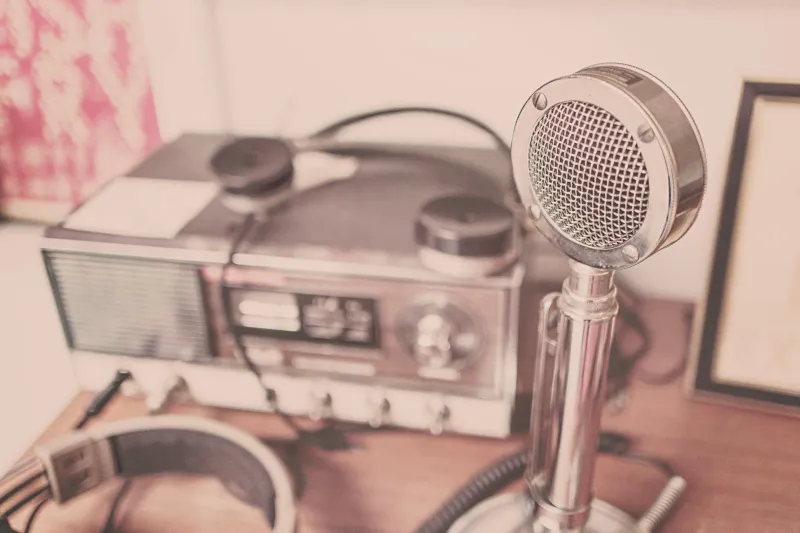
Picture this: It's 1976, and you're driving through Nebraska at 2 AM. Your AM radio crackles with static, but flip to Channel 19, and suddenly you're connected to a invisible community of voices stretching across the continent. "Breaker one-nine, this here's Rubber Duck," comes through your speaker. "Got your ears on?"
This wasn't science fiction. This was Citizens Band radio, and for a brief, remarkable moment in American history, it turned every car into a mobile command center and every driver into part of a vast, unregulated communication network that the government couldn't control and corporations couldn't monetize.
When Everyone Had a Handle
By 1977, over 40 million Americans held CB licenses — more than held hunting licenses. The waiting list for radio equipment stretched for months. Celebrities adopted handles: First Lady Betty Ford was "First Mama," and even President Carter got on the airwaves as "Mr. President" during a 1977 motorcade.
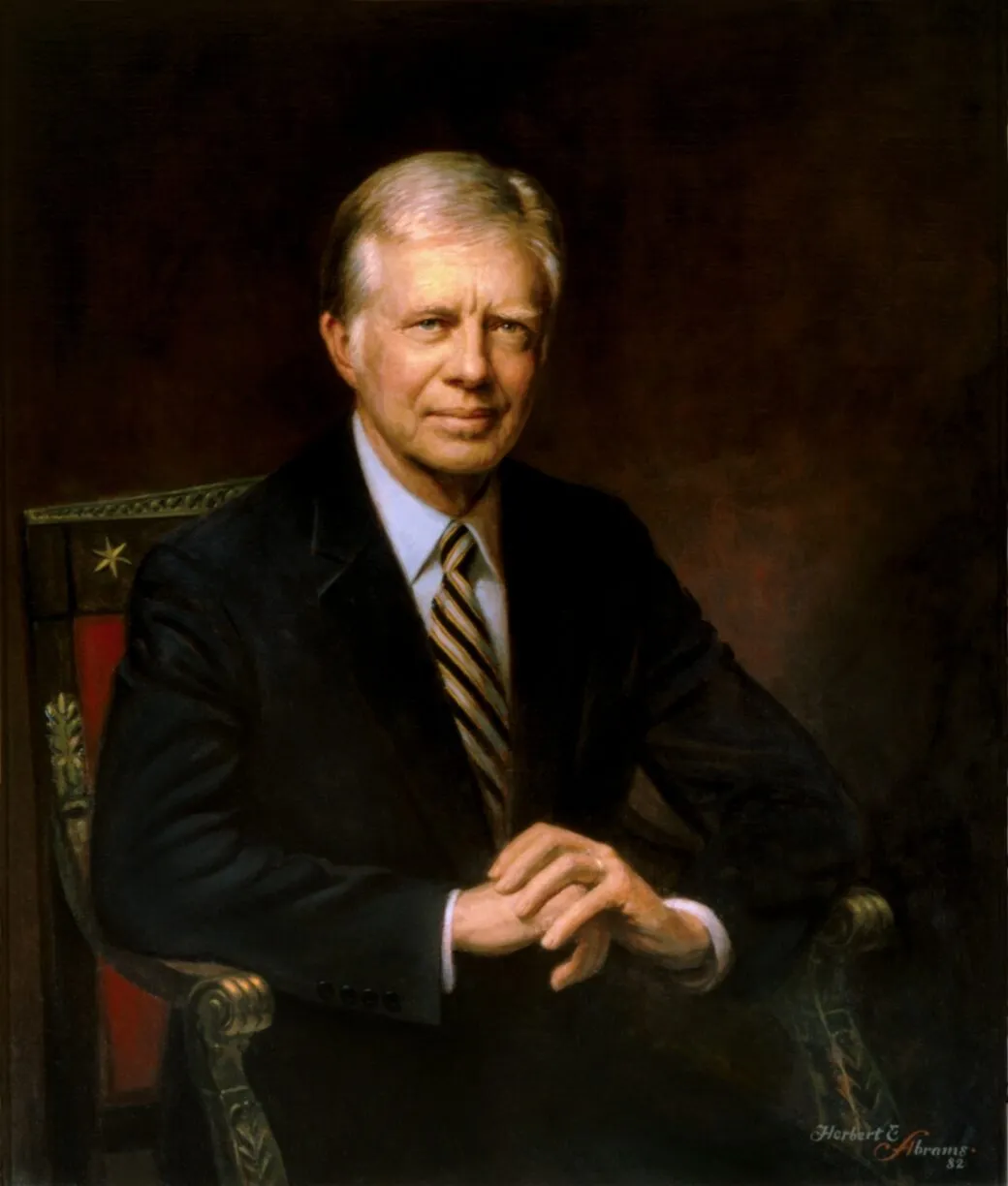 Photo: Jimmy Carter, via d1y822qhq55g6.cloudfront.net
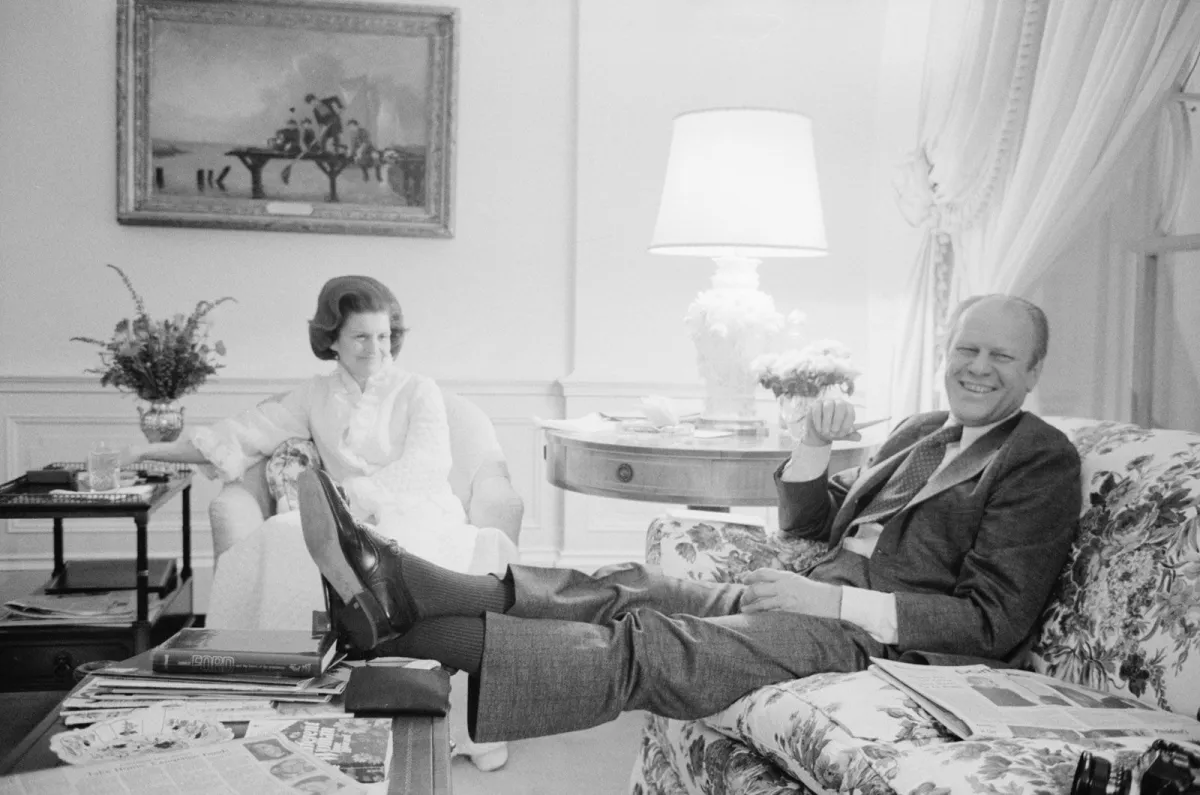 Photo: Betty Ford, via cdn.britannica.com
Truckers started it, but CB fever infected everyone. Suburban housewives used Channel 9 for emergencies and gossip. Teenagers treated it like an early social network. Farmers coordinated harvests. Even criminals used it — until they realized every conversation was public.
The language was pure poetry. A police officer was a "Smokey Bear." Speed traps were "bear in the bushes." Your wife was your "XYL" (ex-young lady), and coffee was "mud." When you were done talking, you didn't hang up — you went "10-7" or signed "73s."
The Trucker's Secret Weapon
Long before Waze crowdsourced traffic data, truckers created their own real-time information network. They warned each other about "Smokeys with cameras" (police with radar), shared fuel prices at upcoming truck stops, and reported road conditions ahead.
This wasn't just chatter — it was survival. In an era when truckers faced strict speed limits but tight delivery deadlines, CB radio became their early warning system. A well-timed "Bear at the 247 mile marker" could save a driver a costly ticket and keep him on schedule.
The truckers' network was so effective that it essentially created a shadow economy. Independent drivers could coordinate loads, share the best routes, and even organize informal convoys for safety. The CB became their union hall, their newspaper, and their social club all rolled into one.
When Hollywood Came Calling
By the mid-1970s, CB culture had leaked into mainstream America so thoroughly that Hollywood couldn't ignore it. "Smokey and the Bandit" turned CB slang into box office gold. C.W. McCall's "Convoy" — a song told entirely in CB jargon — hit number one on the Billboard Hot 100.
Suddenly, everyone wanted to talk like a trucker. Suburban families installed CB radios in their station wagons. Department stores sold CB accessories. Even children's toys mimicked the CB experience.
The phenomenon was so massive that it briefly threatened the telephone industry. Why pay long-distance charges when you could talk to someone hundreds of miles away for free? The FCC was flooded with applications for new channels as the original 23 channels became impossibly crowded.
The Death of the Open Road
Then, almost as quickly as it had exploded, CB culture collapsed. The 1980s brought cellular phones for those who could afford them. The 1990s brought the internet. By the 2000s, GPS navigation made the trucker's local knowledge obsolete.
But the real killer wasn't technology — it was regulation and commercialization. As CB radio became mainstream, it lost its outlaw appeal. The FCC expanded from 23 to 40 channels, but by then, the magic was gone. The intimate community of the original CB culture had been diluted beyond recognition.
Today's drivers navigate with apps that provide more accurate information than any CB network ever could. Truckers use satellite communication and electronic logging devices that their 1970s predecessors would have considered dystopian surveillance tools.
What We Lost in Translation
Modern traffic apps can tell you about accidents ahead, but they can't replicate the human connection that made CB radio special. When a trucker warned you about a speed trap, he wasn't just sharing data — he was looking out for a fellow traveler.
The CB era represented something uniquely American: a democratic communication system that anyone could join, where your voice mattered regardless of your background, and where the open road truly felt open. It was messy, unfiltered, and sometimes crude — but it was also genuine in a way that our sanitized, algorithm-driven communication rarely achieves today.
Every time you tap "Report Police" on your navigation app, you're using a pale digital echo of something that was once beautifully, chaotically human. We gained efficiency, but we lost the poetry of the highway. And somewhere on a lonely stretch of Interstate, an old-timer still keys his mic and asks the empty air, "Anybody got their ears on?"