From Brass Keys to Digital Ghosts: How America's Hotels Forgot How to Welcome You
When Hotels Had Personalities
Picture this: You pull into a roadside motor lodge somewhere outside Flagstaff in 1975. The neon sign flickers "Vacancy," and through the lobby's plate glass windows, you can see a clerk behind a wooden counter, reading a paperback novel. Above him, rows of brass keys hang from numbered hooks like a metallic constellation.
You push through the glass door—it always had that satisfying weight—and a bell announces your arrival. The clerk looks up, closes his book with a finger marking his place, and asks where you're headed. Not just tonight, but tomorrow. The day after. He knows which diners serve breakfast past 9 AM and which gas stations stay open late. He's got opinions about the scenic route versus the fast route. The conversation happens while he slides a registration card across the counter—handwritten, carbon-copied, filed in a wooden box that's probably older than you are.
That entire ritual has vanished so completely that describing it feels like anthropology.
The Death of the Front Desk Oracle
The hotel clerk used to be part concierge, part local historian, part emergency contact. They knew which rooms had the best views, which ones got highway noise, and exactly how to jiggle the handle on the ice machine. More importantly, they were often the only person for miles who could tell you what was actually worth seeing in their town.
This wasn't just customer service—it was cultural exchange. Travelers collected recommendations like souvenirs. "The guy at the Sunset Motel said the pie at Mabel's is worth the detour." "The clerk in Bakersfield warned me about construction on 99." These conversations shaped American road trips in ways that TripAdvisor reviews and Google Maps never could.
The clerk handed you a physical key attached to a plastic diamond or wooden paddle—usually too large to lose, though people managed anyway. That key was your temporary citizenship in a place. It opened not just your room, but access to local knowledge, emergency assistance, and the kind of serendipitous encounters that made travel feel like discovery rather than consumption.
The Smartphone Revolution Nobody Asked For
Somewhere in the last decade, American hotels decided that human interaction was a problem to be solved. The solution was frictionless efficiency: mobile check-in, digital room keys, text-message customer service. You can now enter a hotel, take an elevator to your floor, and sleep in a room without speaking to another human being.
The technology is undeniably convenient. Your phone buzzes when your room is ready. You tap a screen in the lobby, collect your plastic key cards from a slot, and you're done. No waiting in line behind the family arguing about their reservation. No small talk about the weather. No recommendations for restaurants you'll never remember.
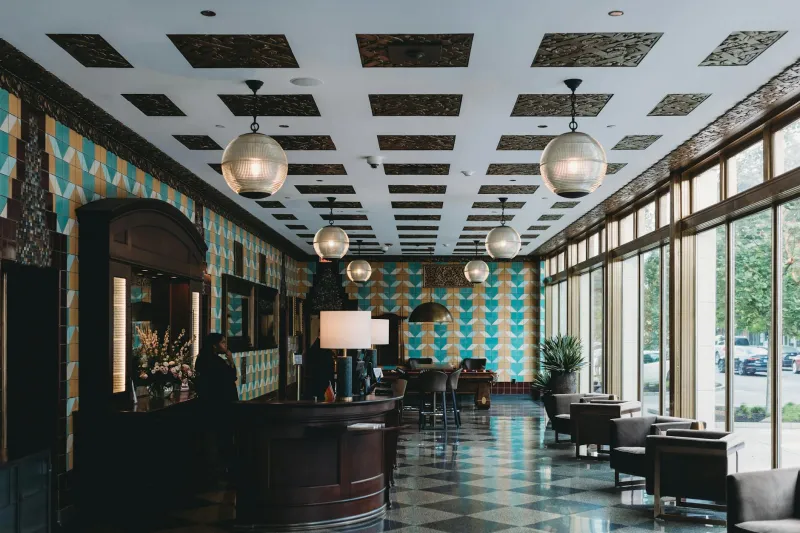
But efficiency came with casualties. The front desk clerk—once a repository of local wisdom—became a troubleshooter for WiFi passwords and billing errors. Hotel lobbies transformed from social spaces into transitional zones, places you pass through rather than pause in. The architecture followed: fewer chairs, higher ceilings, more marble, less warmth.
What We Lost When Lobbies Became Hallways
The old hotel lobby served as an informal town square for travelers. Strangers compared notes about road conditions, shared restaurant discoveries, and sometimes formed impromptu travel partnerships. "We're driving to the Grand Canyon tomorrow if you want to split gas money." These conversations happened naturally when people had to wait, had to interact, had to acknowledge each other's existence.
 Photo: Grand Canyon, via i0.wp.com
Modern hotel design actively discourages lingering. The lobby furniture faces the elevators, not each other. The front desk is positioned for quick transactions, not extended conversations. The message is clear: process in, process out, consume your room, leave.
This shift reflects a broader change in how Americans travel. We've optimized for speed and privacy at the expense of serendipity and connection. The result is travel that's more predictable but less transformative, more comfortable but less memorable.
The Brass Key Rebellion
A few independent hotels and historic properties still maintain the old ways, and they've become almost novelty experiences. Guests Instagram photos of actual room keys like archaeological discoveries. The personal recommendation from a front desk clerk feels exotic rather than routine.
These holdout properties understand something that the hospitality industry largely forgot: checking into a hotel used to be the beginning of your adventure, not just the pause between adventures. The lobby conversation set the tone for your entire stay. The clerk's enthusiasm for their town became your enthusiasm. The physical key in your pocket was a tangible reminder that you were somewhere new, somewhere with its own rhythms and secrets.
The Speed of Modern Loneliness
Today's hotel experience prioritizes individual efficiency over collective discovery. You get exactly what you expect, nothing more. Your digital key works perfectly. Your room matches the photos. Your checkout is automatic. You leave no trace and take no stories.
The brass key era wasn't perfect—clerks could be surly, recommendations could be terrible, and waiting in line was genuinely annoying. But it was human. It acknowledged that travel is fundamentally about encountering the unfamiliar, and that sometimes the most valuable part of a journey is the conversation you never planned to have.
We've gained convenience and lost curiosity. We've streamlined the process and eliminated the surprise. In our rush to make travel more efficient, we've made it more isolated. The hotel key that once opened doors to local knowledge now opens only the door to your room—and the quiet recognition that being somewhere new doesn't necessarily mean experiencing anything different.