How far we've come — and how fast.

VelociShift

How far we've come — and how fast.

Latest Articles

Performance

Loose Kids, Sharp Metal, and Casual Fatality: The Century-Long Fight to Make Driving Survivable

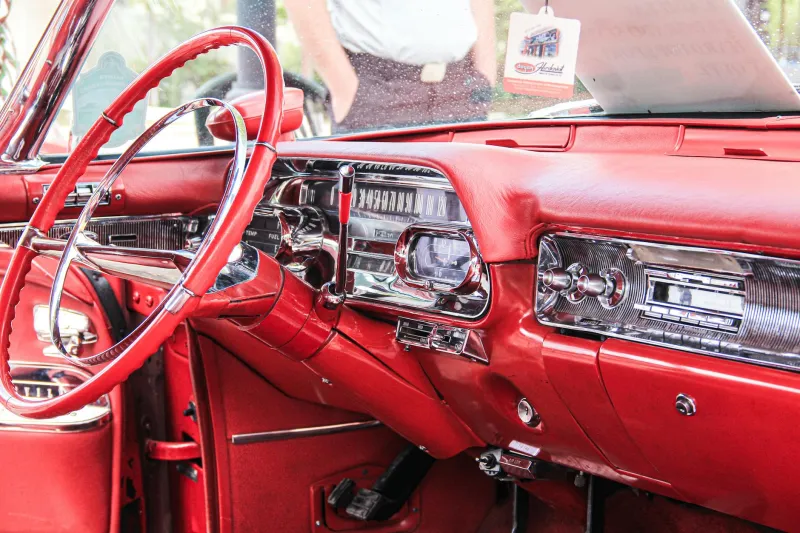
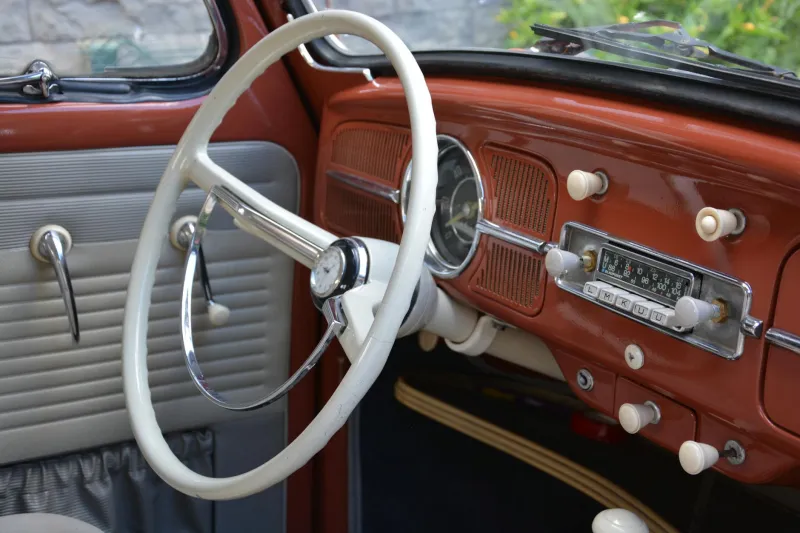
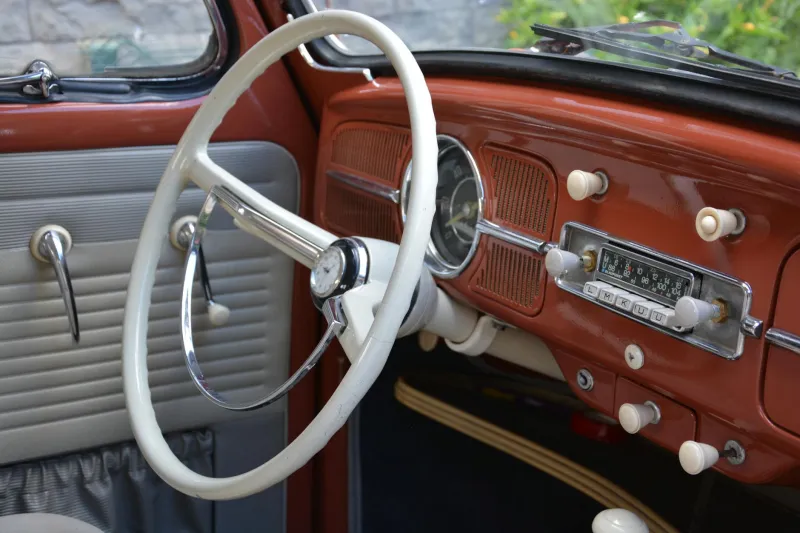
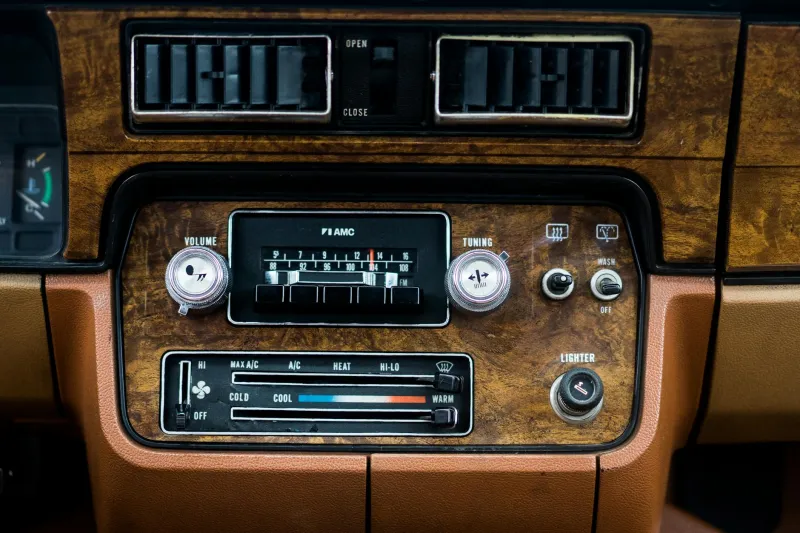
Your 1960s family car had a metal dashboard, lap belts that did almost nothing, and children bouncing around in the back seat. Seatbelts were optional. Airbags didn't exist. Head-on collisions at 40 mph were frequently fatal. The transformation from that era to today's autonomous emergency braking represents one of America's quietest public health victories — and a genuinely contentious cultural battle.

Travel

The Transcontinental Dream That Took 72 Hours: How One Train Ride Rewired America's Sense of Distance

When the first through-train ran from New York to San Francisco in 1869, it compressed a six-month wagon journey into three days. Americans were astounded. Now we board a flight without thinking twice for the same distance. Here's how each leap in speed fundamentally changed what America believed was possible.

65 Days, Zero Roads, and One Very Confused Dog: The First Drive Across America
Travel

65 Days, Zero Roads, and One Very Confused Dog: The First Drive Across America

In 1903, a Vermont doctor bet $50 that he could drive an automobile from San Francisco to New York. What followed was 65 days of mud, mechanical disasters, and one stray dog who became an unlikely co-pilot. Here's what that journey actually looked like — and why it makes your last road trip look like a spa day.

The Roads That Went Nowhere: What Driving Across America Looked Like Before Eisenhower Changed Everything
Culture

The Roads That Went Nowhere: What Driving Across America Looked Like Before Eisenhower Changed Everything

Before 1956, driving from one state to another was a genuine adventure in the least glamorous sense of the word — inconsistent roads, surprise dead ends, and routes that simply stopped at state lines. The 47,000-mile interstate system Americans use without a second thought is barely 70 years old, and the world before it was almost unrecognizable.

Your Grandfather's New Car Was Already Old at 80,000 Miles. Here's Why That Was Completely Normal.
Performance

Your Grandfather's New Car Was Already Old at 80,000 Miles. Here's Why That Was Completely Normal.

For decades, American automakers quietly engineered their vehicles to wear out — and consumers mostly went along with it. A car hitting 100,000 miles was considered a tired, questionable machine. Today that same number barely gets you to middle age. Here's the story of how reliability went from a marketing trick to an actual engineering standard.

From 25 MPH Town Ordinances to 85 MPH Texas Highways: America's Wild Ride With Speed Limits
Culture

From 25 MPH Town Ordinances to 85 MPH Texas Highways: America's Wild Ride With Speed Limits

Speed limits in America didn't start as a federal mandate — they started as a patchwork of local guesses, political fights, and outright ignored signage. The story of how this country decided how fast is too fast is stranger, and more revealing, than most people realize.

Before Traffic Lights Existed, American Streets Were Basically a Contact Sport
Travel

Before Traffic Lights Existed, American Streets Were Basically a Contact Sport

Before stop signs, lane markings, or traffic signals, American city streets were a genuinely dangerous free-for-all — horses, streetcars, pedestrians, and the first automobiles all competing for the same space with no rules anyone agreed on. The infrastructure we take for granted today wasn't inherited. It was invented, piece by piece, out of absolute necessity.

Remember Spending All Saturday at a Car Dealership? Here's What Buying a Car Actually Used to Be Like
Culture

Remember Spending All Saturday at a Car Dealership? Here's What Buying a Car Actually Used to Be Like

In 1985, buying a car meant clearing your weekend, walking into a dealership with almost no information, and hoping the salesperson across the desk wasn't about to take you for a ride. The process has transformed almost beyond recognition — but whether that's purely progress is worth asking.

Your Family Sedan Would Have Embarrassed a 1970s Muscle Car — And That's a Weird Thing to Sit With
Performance

Your Family Sedan Would Have Embarrassed a 1970s Muscle Car — And That's a Weird Thing to Sit With

The muscle car era felt like peak speed. Big engines, loud exhausts, and 0-to-60 times that made headlines. Then engineering kept moving, and somewhere along the way a mid-range Toyota became faster than a Dodge Charger R/T. Here's how that happened.

We Used to Be Genuinely, Hopelessly Lost — And We Barely Remember It
Culture

We Used to Be Genuinely, Hopelessly Lost — And We Barely Remember It

Before turn-by-turn directions lived in everyone's pocket, navigating an unfamiliar city was a genuine skill — and a genuine source of anxiety. The Thomas Guide, the gas station attendant, the argument over the map: these were the textures of travel before GPS quietly made them extinct.

Gas Stations, Paper Maps, and a Prayer: The Road Trip America Used to Know
Travel

Gas Stations, Paper Maps, and a Prayer: The Road Trip America Used to Know

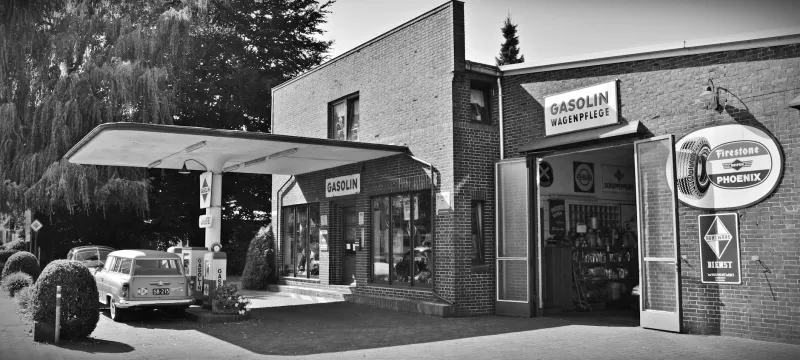
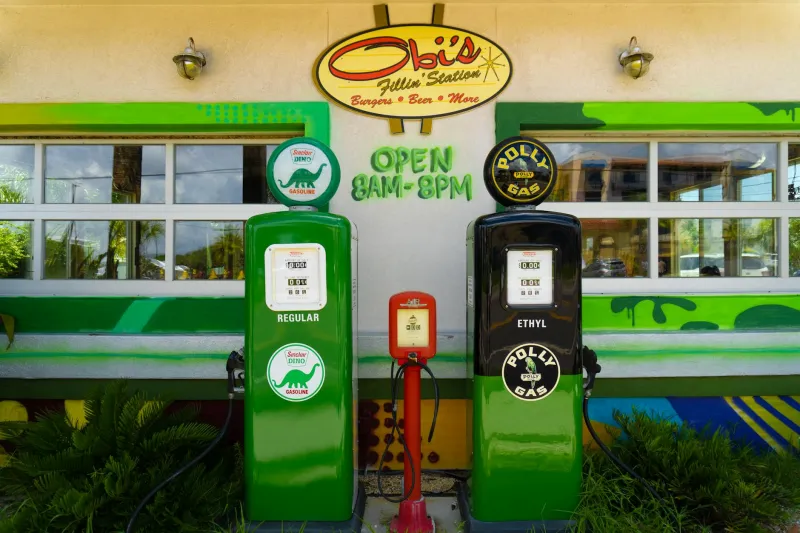
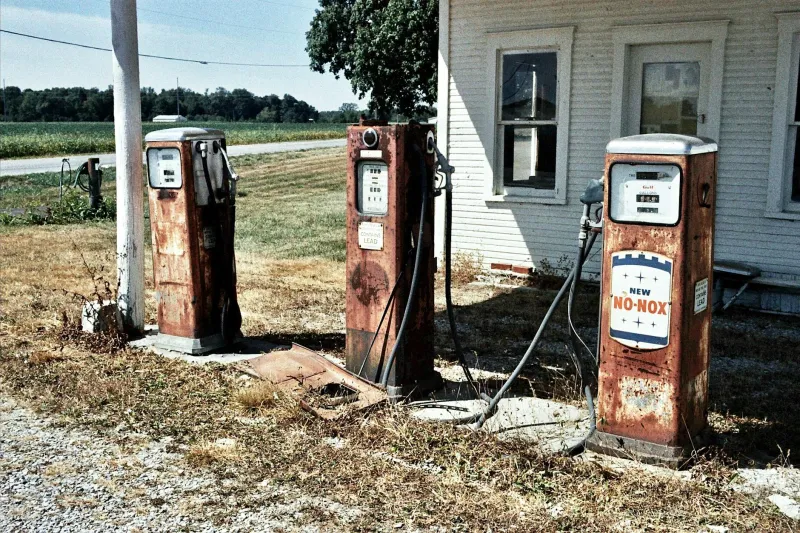
Before Google Maps and EV charging stations, a family road trip across America was an exercise in optimism, improvisation, and occasionally sleeping in the car. The open road hasn't disappeared — but almost everything about how we navigate it has.