How far we've come — and how fast.

VelociShift

How far we've come — and how fast.

Latest Articles

Two Dimes and a Nickel: When Americans Filled Their Tanks for the Price of a Coffee
Culture

Two Dimes and a Nickel: When Americans Filled Their Tanks for the Price of a Coffee

In 1959, a gallon of gas cost 25 cents and a movie ticket ran 75 cents. Today's drivers would need a time machine to believe how differently Americans once thought about fuel costs — and how cheap gas literally built the suburbs.

When Geography Was a Family Sport: How America Lost the Living Room Road Trip
Travel

When Geography Was a Family Sport: How America Lost the Living Room Road Trip

Before GPS turned navigation into mindless compliance, American families gathered around massive road atlases spread across the floor, turning vacation planning into a collaborative adventure. This ritual of physical route-tracing didn't just plan trips—it taught geography, sparked debates, and made every journey feel like a conquest of the unknown.

When Americans Drove Just to Drive: The Lost Art of the Purposeless Journey
Culture

When Americans Drove Just to Drive: The Lost Art of the Purposeless Journey

For generations, American families would pile into their cars every Sunday afternoon with no destination in mind. The goal wasn't to get somewhere — it was simply to go. Today, that ritual has vanished, and with it, a uniquely American way of finding peace on four wheels.

When Listening to Music While Driving Was Considered Dangerous as Drunk Driving
Culture

When Listening to Music While Driving Was Considered Dangerous as Drunk Driving

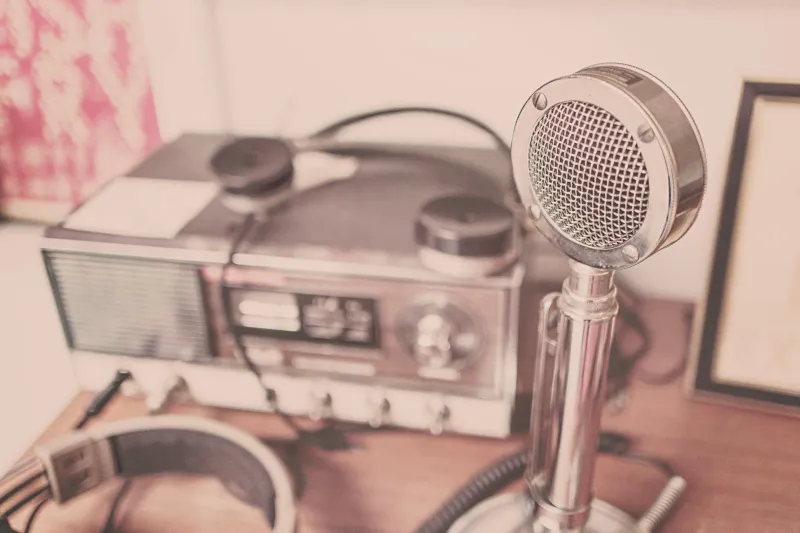
In the 1930s, installing a radio in your car was as controversial as texting while driving is today. Safety experts, lawmakers, and moral guardians genuinely believed that mobile entertainment would spell the end of safe driving — and American civilization itself.

When Every Driver Was a Temperature Detective: How We Lost the Skill of Reading Engine Heat
Performance

When Every Driver Was a Temperature Detective: How We Lost the Skill of Reading Engine Heat

Three decades ago, watching your temperature gauge was as essential as checking your mirrors. Today's drivers barely know it exists, and that shift reveals something profound about how we've changed our relationship with machines.

When Every American Heard the Same Song at the Same Time
Culture

When Every American Heard the Same Song at the Same Time

Before Spotify algorithms and personalized playlists, the car radio created something remarkable: a shared national soundtrack that connected millions of Americans through the same musical moments. This is the story of how we went from a country that hummed the same tune to one where no two people hear the same thing.

When America Worked Where It Lived: The Forgotten Era Before the Daily Commute
Culture

When America Worked Where It Lived: The Forgotten Era Before the Daily Commute

Just three generations ago, the idea of driving an hour each way to work would have seemed completely insane. Most Americans lived, worked, and shopped within a few blocks of each other — until we accidentally engineered ourselves into traffic hell.

The Road Engineers Who Never Imagined Anyone Would Drive 80 MPH
Travel

The Road Engineers Who Never Imagined Anyone Would Drive 80 MPH

America's first expressways were masterpieces of engineering — for a world that no longer exists. Built for leisurely drives at 40 MPH, these roads became the backbone of a highway system that would soon see drivers pushing twice that speed.

When Drivers Had to Think for Themselves: The Lost Art of Traffic Intuition
Culture

When Drivers Had to Think for Themselves: The Lost Art of Traffic Intuition

Before GPS apps told us everything, American drivers developed an almost supernatural ability to read the road — memorizing traffic patterns, decoding brake light signals, and timing their commutes to the minute. Here's how we navigated chaos with nothing but instinct and a really good AM radio.

The Parking Meter Was Invented to Help Drivers — Now It's Their Worst Enemy
Culture

The Parking Meter Was Invented to Help Drivers — Now It's Their Worst Enemy

In 1935, Oklahoma City installed the world's first parking meter to solve a driver's nightmare: finding a downtown parking spot. Nearly a century later, that helpful invention has morphed into something drivers universally hate.

When Main Street Lived on the Highway: America's Lost Roadside Villages
Culture

When Main Street Lived on the Highway: America's Lost Roadside Villages

Before interstates bypassed America's small towns, entire communities thrived along two-lane highways where travelers had no choice but to slow down. These weren't just gas stations — they were the economic heartbeat of rural America, offering everything from banking to home-cooked meals.

When Every Gas Station Was a Library: How America's Free Map Culture Vanished Overnight
Travel

When Every Gas Station Was a Library: How America's Free Map Culture Vanished Overnight

For 80 years, American gas stations handed out millions of free road maps annually, creating a nationwide navigation culture that shaped how we explored the country. Then smartphones arrived, and within a decade, this entire ecosystem disappeared—taking with it a uniquely American ritual of discovery.

How America Paved Paradise and Put Up a Parking Lot — Literally
Culture

How America Paved Paradise and Put Up a Parking Lot — Literally

What happens when a nation falls so deeply in love with cars that it transforms its most valuable urban real estate into storage space for them? The answer is written in asphalt across every American city, where parking lots now consume more land than some entire states.

The Death of the Dashboard Debate: When GPS Murdered America's Greatest Relationship Test
Travel

The Death of the Dashboard Debate: When GPS Murdered America's Greatest Relationship Test

For generations, every American road trip featured the same drama: one person driving, one person navigating, and inevitable arguments over missed exits. GPS didn't just change how we get places — it eliminated an entire form of human cooperation that once defined car travel.

When Gas Stations Actually Served You: The Death of America's Last Genuine Customer Service
Culture

When Gas Stations Actually Served You: The Death of America's Last Genuine Customer Service

For decades, pulling into a gas station meant being greeted by an attendant who knew your car, your family, and your preferred oil brand. The shift to self-service didn't just change how we fuel up — it quietly eliminated one of America's last bastions of genuine, personal customer service.

When America Bulldozed Its Own Heart: The Interstate Promise That Became Urban Warfare
Culture

When America Bulldozed Its Own Heart: The Interstate Promise That Became Urban Warfare

In the 1950s, America's cities were promised salvation through concrete and steel—superhighways that would modernize urban life and connect communities. Instead, the Interstate Highway System became one of the most destructive forces in American urban history, erasing entire neighborhoods and displacing hundreds of thousands of families in the name of progress.

Culture

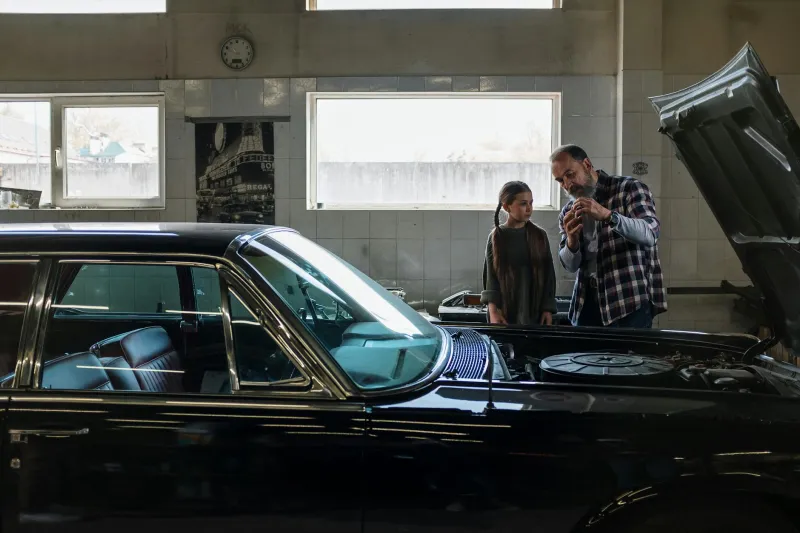
When Your Mechanic Was a Neighbor, Not a Black Box: The Death of DIY Car Culture

There was a time when a busted carburetor meant a Saturday afternoon in your driveway with a wrench and a neighbor who knew what they were doing. Today, your car won't even let you check your own oil without triggering a diagnostic code. Here's what we traded away when repair became reservation-only.

Performance

Loose Kids, Sharp Metal, and Casual Fatality: The Century-Long Fight to Make Driving Survivable

Your 1960s family car had a metal dashboard, lap belts that did almost nothing, and children bouncing around in the back seat. Seatbelts were optional. Airbags didn't exist. Head-on collisions at 40 mph were frequently fatal. The transformation from that era to today's autonomous emergency braking represents one of America's quietest public health victories — and a genuinely contentious cultural battle.

Travel

The Transcontinental Dream That Took 72 Hours: How One Train Ride Rewired America's Sense of Distance

When the first through-train ran from New York to San Francisco in 1869, it compressed a six-month wagon journey into three days. Americans were astounded. Now we board a flight without thinking twice for the same distance. Here's how each leap in speed fundamentally changed what America believed was possible.

65 Days, Zero Roads, and One Very Confused Dog: The First Drive Across America
Travel

65 Days, Zero Roads, and One Very Confused Dog: The First Drive Across America

In 1903, a Vermont doctor bet $50 that he could drive an automobile from San Francisco to New York. What followed was 65 days of mud, mechanical disasters, and one stray dog who became an unlikely co-pilot. Here's what that journey actually looked like — and why it makes your last road trip look like a spa day.