When a New Buick in the Driveway Was Better Than Money in the Bank
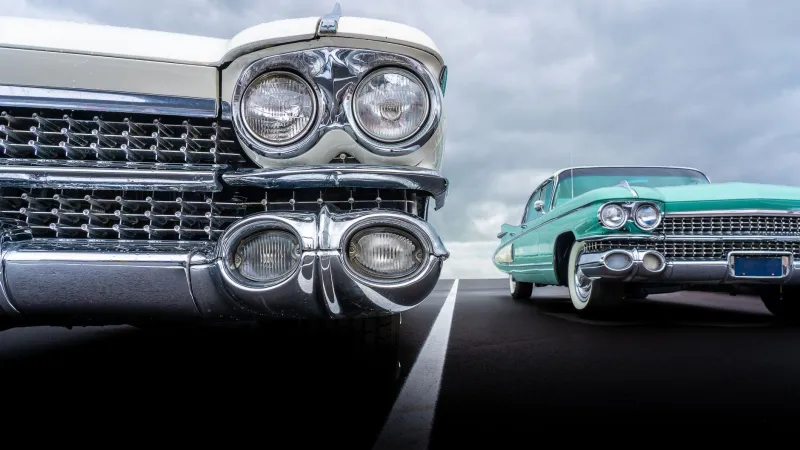
Sometime in the late 1950s, a factory worker in Flint, Michigan — or Cleveland, or Detroit, or any of a dozen industrial cities running full tilt on postwar momentum — could walk into a Cadillac dealership, put a reasonable down payment on a DeVille, and drive home feeling like he'd made a sound financial decision. Not a splurge. Not a stretch. A decision.
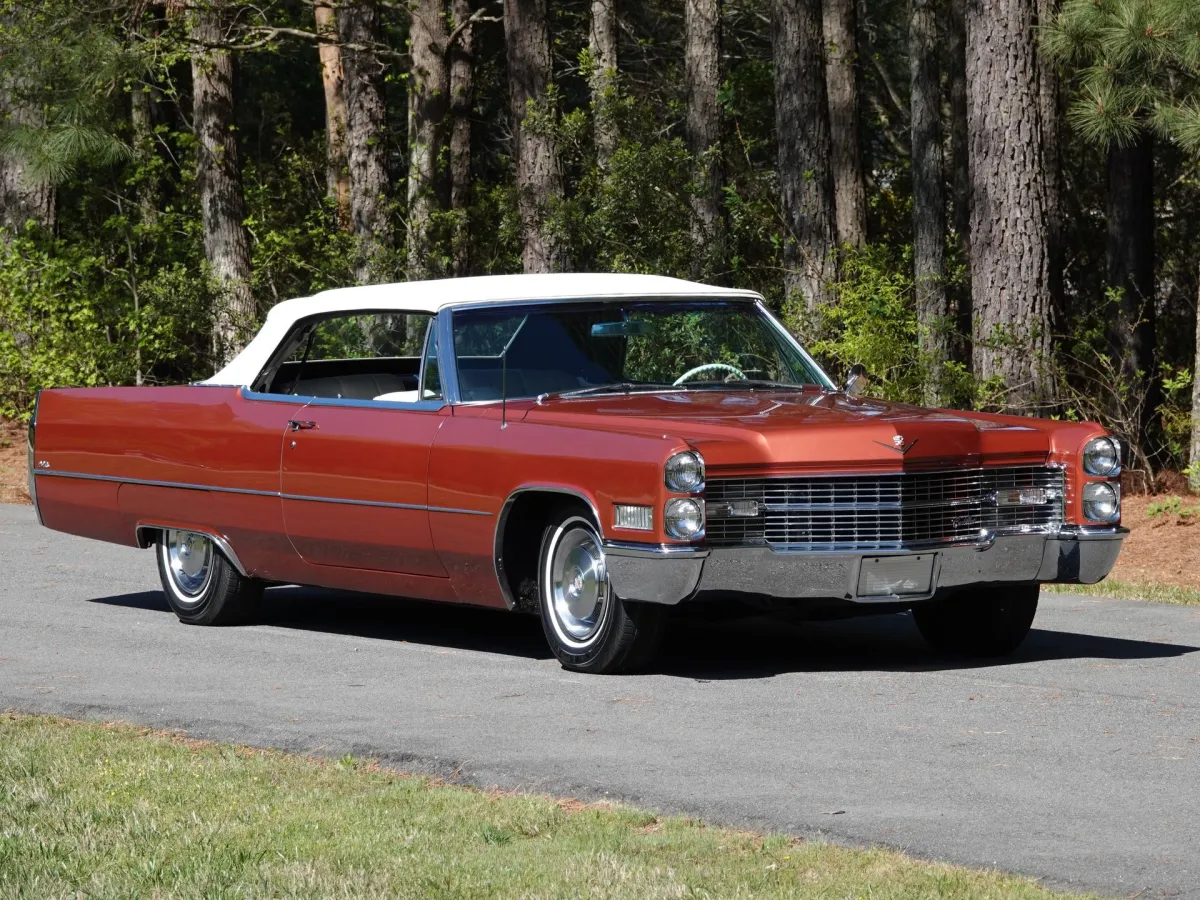 Photo: Cadillac DeVille, via cdn.dealeraccelerate.com
 Photo: Flint, Michigan, via esemag.com
His neighbors would have agreed with him.
That's the part that's genuinely hard to grasp from where we sit today.
The World Before the 401(k)
To understand why a car could function as a financial anchor, you have to understand what the investment landscape looked like for an ordinary American family in 1955. The 401(k) didn't exist — it wouldn't be created until 1978 and wouldn't become widespread until the 1980s. Index funds were a theoretical concept. Brokerage accounts were for wealthy people with wealthy advisors. The stock market was something you read about in the newspaper, not something you participated in.
What working Americans had was their paycheck, their home if they owned one, their union pension if they were lucky, and their stuff. Tangible, visible, appraised stuff.
In that context, a high-quality automobile wasn't an indulgence. It was one of the most sophisticated financial instruments available to a middle-class household.
Steel as Status Certificate
Cars in this era were built to last in a way that genuinely supported the idea of long-term value. A well-maintained Cadillac or Lincoln could run for 200,000 miles in an era when that was considered extraordinary. Parts were available everywhere. Every town had mechanics who could service them. The vehicles were overbuilt — heavy, simple in their engineering, and designed with the assumption that they'd be on the road for a decade or more.
Used car values reflected this. A three-year-old Cadillac Fleetwood held its price in ways that would seem absurd by modern standards. Dealers knew it. Buyers knew it. The transaction wasn't just about getting from A to B — it was about acquiring something with recognized, transferable worth.
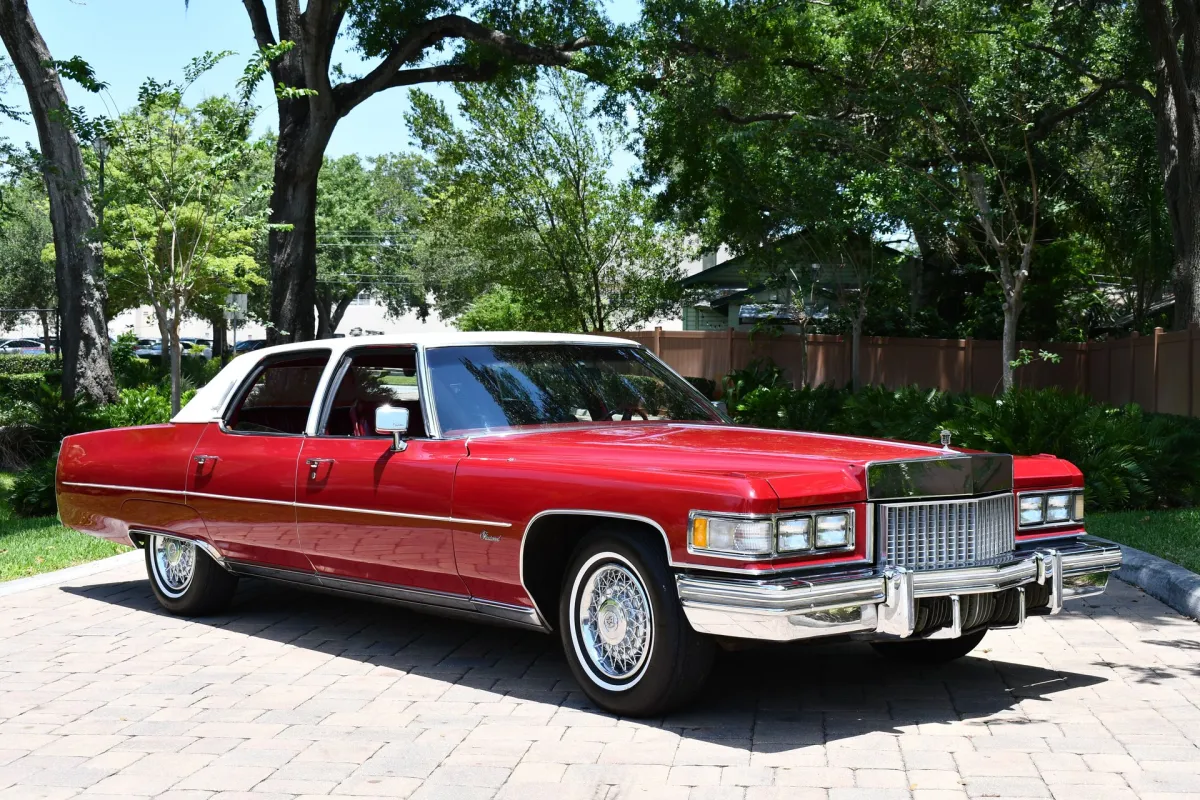 Photo: Cadillac Fleetwood, via cdn.dealeraccelerate.com
There was also the social ledger to consider, and in mid-century America that ledger was very publicly kept. Your car sat in the driveway for the whole street to see. It went to church with you on Sunday. It showed up at your kid's school. It told your community something precise about where you stood, where you were headed, and whether your word was worth backing.
A Cadillac didn't just say you had money. It said you managed money well enough to have a Cadillac.
The Inversion
At some point in the last forty years, the story flipped completely.
Financial advisors today treat the car purchase as exhibit A in lectures about wealth destruction. The average new vehicle loses somewhere between 15 and 25 percent of its value in the first year alone. By year five, depreciation has consumed roughly half of what you paid. Maintenance costs, insurance, registration fees, and interest on financing stack up into a number that, laid out plainly, would make most buyers hesitate.
The modern financial consensus is blunt: a car is a liability. Drive it until it dies, buy used, never finance longer than you have to, and whatever you do, don't treat it as an asset.
That is almost the exact opposite of how Americans thought about cars for the better part of three decades after World War II.
What Changed, Exactly?
Several things converged to invert the equation. Planned obsolescence crept into manufacturing as competition increased and profit margins got squeezed. Vehicles became more technologically complex, which made them more capable but also more expensive to maintain and harder to keep running indefinitely. The used car market got more efficient, which actually hurt long-term value retention for most models.
At the same time, accessible investment tools transformed what ordinary Americans could do with their money. When a factory worker in 1985 could open a 401(k) and get employer matching, the calculus changed. When index funds became available to retail investors, the comparison between parking money in a depreciating vehicle versus letting it compound in the market became stark.
The car didn't get worse at being a car. It got worse at being a store of value, precisely as better stores of value became available to the people who used to rely on it.
The Nostalgia Trap
There's a version of this story that ends with misty-eyed reverence for the era when a Cadillac meant something. That's not quite right either.
The mid-century car-as-wealth model worked partly because other options didn't exist. It worked because vehicles were simpler and more durable. It worked because social signaling through consumer goods was one of the primary languages of status in a rapidly expanding middle class. None of those conditions really apply today.
What's worth holding onto isn't the idea that cars are financial assets — they aren't, and treating them that way now is genuinely costly. What's worth holding onto is the seriousness with which those buyers approached the decision. They weren't buying transportation. They were making a statement about their household's position in the world, and they understood the weight of that.
We still make that statement, whether we realize it or not. We've just stopped being honest with ourselves about what it costs.