Fall's Best-Kept Secret: The Season America Once Cleared Its Calendar for New Car Reveals

Fall's Best-Kept Secret: The Season America Once Cleared Its Calendar for New Car Reveals
There was a time when the arrival of autumn meant three things in America: school starting, leaves turning, and new cars appearing in showroom windows draped in cloth covers. Two of those traditions survived. One didn't.
For roughly four decades — from the postwar boom through the early 1980s — the annual new model year reveal was a genuine cultural event. Not a press release. Not a social media rollout. An event. Families planned around it. Neighborhoods talked about it. Kids pressed their noses against dealership glass the way an earlier generation had pressed theirs against candy store windows.
If that sounds improbable, you haven't fully reckoned with how different cars felt to Americans back then.
Detroit's Masterclass in Manufactured Anticipation
The automakers didn't stumble into this ritual — they engineered it with extraordinary precision. General Motors, Ford, and Chrysler understood something that modern marketing departments would still kill to crack: anticipation is more powerful than availability.
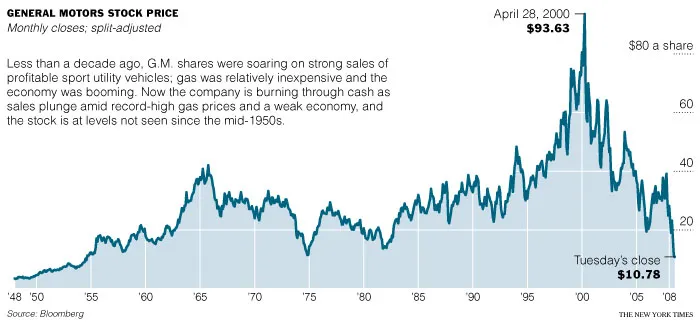 Photo: General Motors, via graphics8.nytimes.com
All summer, the new models were kept under wraps. Dealers received shipments in covered trucks. Showroom windows were papered over. Automotive journalists were given carefully managed previews under strict embargo. The deliberate secrecy created a pressure that released every September like a cultural pressure valve.
GM was particularly surgical about this. Under Harley Earl and later Bill Mitchell, the design studio operated like a fashion house with a classified clearance level. Concept cars teased shapes that might — might — hint at what was coming. The actual production models were revealed on a specific date, nationally, simultaneously. Every Chevy dealer in America pulled the paper off their windows on the same morning.
 Photo: Harley Earl, via cdpcdn.dx1app.com
It was theater. Brilliant, effective, deeply American theater.
The Saturday Morning Argument
What made the ritual stick wasn't just the unveiling — it was what happened in the weeks that followed. The brochures.
Automakers produced annual model brochures that were, by any honest measure, works of art. Full-color photography. Dramatic landscape backdrops. Women in elegant dresses leaning against hood ornaments. Color chip swatches printed on heavy stock paper. These weren't advertisements so much as aspirational objects — things you kept, studied, and debated.
Families spread them across kitchen tables on Saturday mornings and treated the decision like a home renovation project. Should the new Impala be Fathom Green or Burnished Brown? Was the bench seat worth it, or did you spring for buckets? What about the vinyl roof option — too flashy, or exactly right? These conversations could run for weeks. Children had opinions. Grandparents weighed in. The family car was a family decision, and the brochure was the starting gun.
None of this was accidental. Detroit knew that getting families invested in the choosing meant they were already halfway to the buying.
The Sensory Memory of a Showroom
If you were a kid in the 1960s or '70s, you probably remember what a new car showroom smelled like in September. That particular combination of fresh rubber, new carpet, and whatever proprietary chemical smell came off pristine sheet metal under fluorescent lights. It was a smell that meant new in the most complete sense of the word.
Dealerships leaned into this. Some hired musicians for reveal weekends. Others offered coffee and refreshments. The best ones made it feel less like a sales floor and more like an opening night — because that's essentially what it was. People came who had no intention of buying anything. They just came to look, to be part of the moment, to hold the brochure and imagine.
That foot traffic, that community participation, was part of what made the American car dealership a genuine civic institution rather than just a retail outlet.
How the Ritual Died Without Anyone Noticing
The model year reveal didn't end with a single dramatic moment. It dissolved gradually, the way most cultural rituals do — through a combination of economic pressure, changing consumer behavior, and a fundamental shift in what cars meant to Americans.
The fuel crises of the 1970s were the first blow. When gasoline prices spiked and lines formed at stations, the aspirational glow around new car design dimmed considerably. You stopped dreaming about the new Eldorado's tailfins when you were rationing fuel. Cars began their long migration from objects of desire to objects of utility.
Imports accelerated the shift. Japanese manufacturers arrived with a different value proposition — reliability, efficiency, predictability — and Americans responded. When reliability became the primary selling point, annual design drama became harder to sustain. You don't throw a party for a car that's virtually identical to last year's model but starts more reliably in cold weather.
By the time the internet arrived and upended the dealership model entirely, the annual reveal had already faded to a ghost of itself. Car announcements became rolling digital releases — a leaked image here, a press event livestream there, no single moment of shared national discovery.
What We Actually Lost
The easy observation is that cars became appliances. That's true but incomplete. What really happened is that one of the few genuinely shared consumer rituals in American life quietly evaporated.
Think about what the model year reveal actually was: a moment when people across enormous geographic and economic distances were all looking at the same thing, talking about the same thing, feeling the same low-grade excitement about the same cultural object. That kind of shared experience is rarer than we realize, and harder to manufacture than Detroit made it look.
The new iPhone announcement is the closest modern equivalent, and even that doesn't quite capture it — because the iPhone reveal happens in a controlled arena and filters out through screens. The car reveal happened in your neighborhood, at the dealership two miles from your house, where your neighbor worked and your cousin bought his first truck.
It was local and national at the same time. It was commercial and communal at the same time. And once it was gone, nobody replaced it with anything quite like it.
Somewhere in a drawer, someone's grandmother still has a 1967 Chevrolet brochure with a corner folded down on the Caprice page. She never bought that car. But she thought about it for a long time, and that thinking meant something.
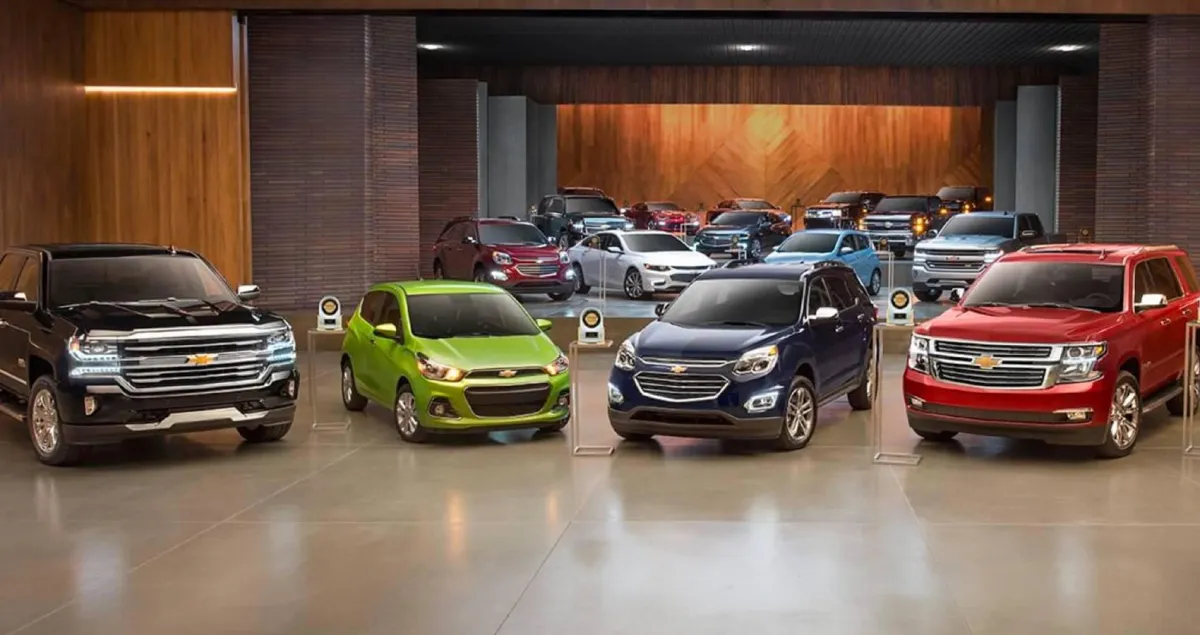 Photo: Chevrolet Caprice, via static1.hotcarsimages.com