Counter Culture: The Roadside Diner Was America's Great Equalizer — Until We Traded It for a Drive-Through Window
Counter Culture: The Roadside Diner Was America's Great Equalizer — Until We Traded It for a Drive-Through Window
Pull off any major American highway today and you'll find the same half-dozen logos staring back at you from the same beige exit plaza. The golden arches. The red-tailed mermaid. The stacked burger silhouette. Predictable, efficient, and almost entirely forgettable.
But rewind fifty or sixty years, and that same off-ramp led somewhere genuinely different — a squat little building with a hand-painted pie special in the window, a parking lot full of mismatched vehicles, and a bell above the door that announced you like you were somebody.
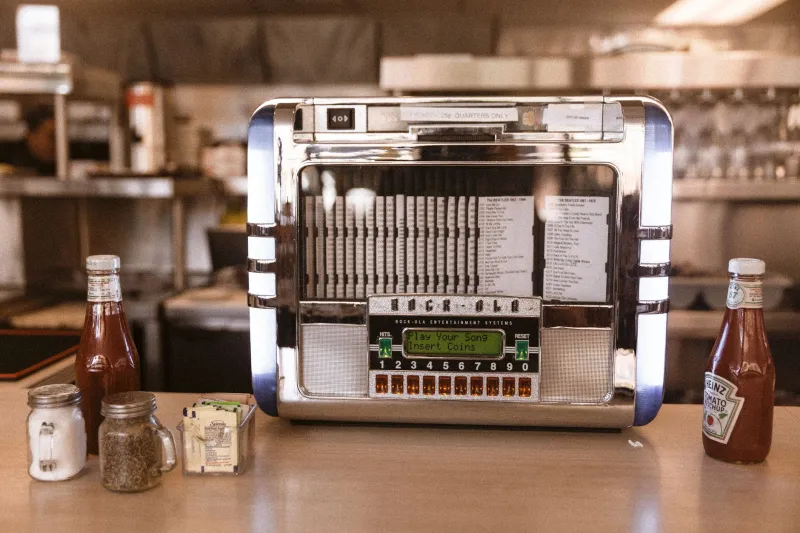
The American roadside diner wasn't just a restaurant. It was a social institution that nobody bothered to give that label to until it was mostly gone.
The Counter Was the Point
What made the classic diner remarkable wasn't the food — though the food was often excellent in that specific, unpretentious way that's nearly impossible to replicate on purpose. What made it remarkable was who was sitting next to you.
A long-haul trucker coming off a twelve-hour stretch from Memphis. A farm family on their first trip to see a relative in another state. A traveling salesman nursing his third cup of coffee and a slice of coconut cream pie. A local electrician who'd been eating at the same stool every Tuesday for eleven years.
The counter was the great equalizer. Nobody cared what you drove, what you did for work, or where you were headed. You were in the diner now, and the diner had its own rules — primarily that you were expected to exist in the same physical space as other human beings and occasionally acknowledge that fact.
That sounds like a low bar. It turns out it was actually pretty important.
Truckers Were the Unofficial Rating System
Long before Yelp reviews and food bloggers, American travelers learned to read the parking lot. If a diner's gravel lot was full of eighteen-wheelers, that was your signal. Truckers had no patience for bad food and no loyalty to brands. They ate where the portions were honest, the coffee was hot, and the waitress didn't disappear for twenty minutes between refills.
This informal rating system created a kind of highway word-of-mouth network that shaped where Americans ate for decades. Truckers talked to each other on CB radios, in truck stops, and at weigh stations. A diner with a reputation for good pie and a fair price could build a loyal following among drivers running the same routes year after year — and those same drivers would steer tourists in the right direction when asked.
It was a recommendation engine built entirely out of human conversation. Inefficient by modern standards. Remarkably reliable in practice.
The Food Had a Geography
One of the quietly wonderful things about roadside diners was that they tasted like where they were. A diner in rural Georgia served different biscuits than one in rural Ohio. The chili in New Mexico didn't taste like the chili in Illinois. The coffee in the Pacific Northwest had a different personality than the coffee in the Deep South.
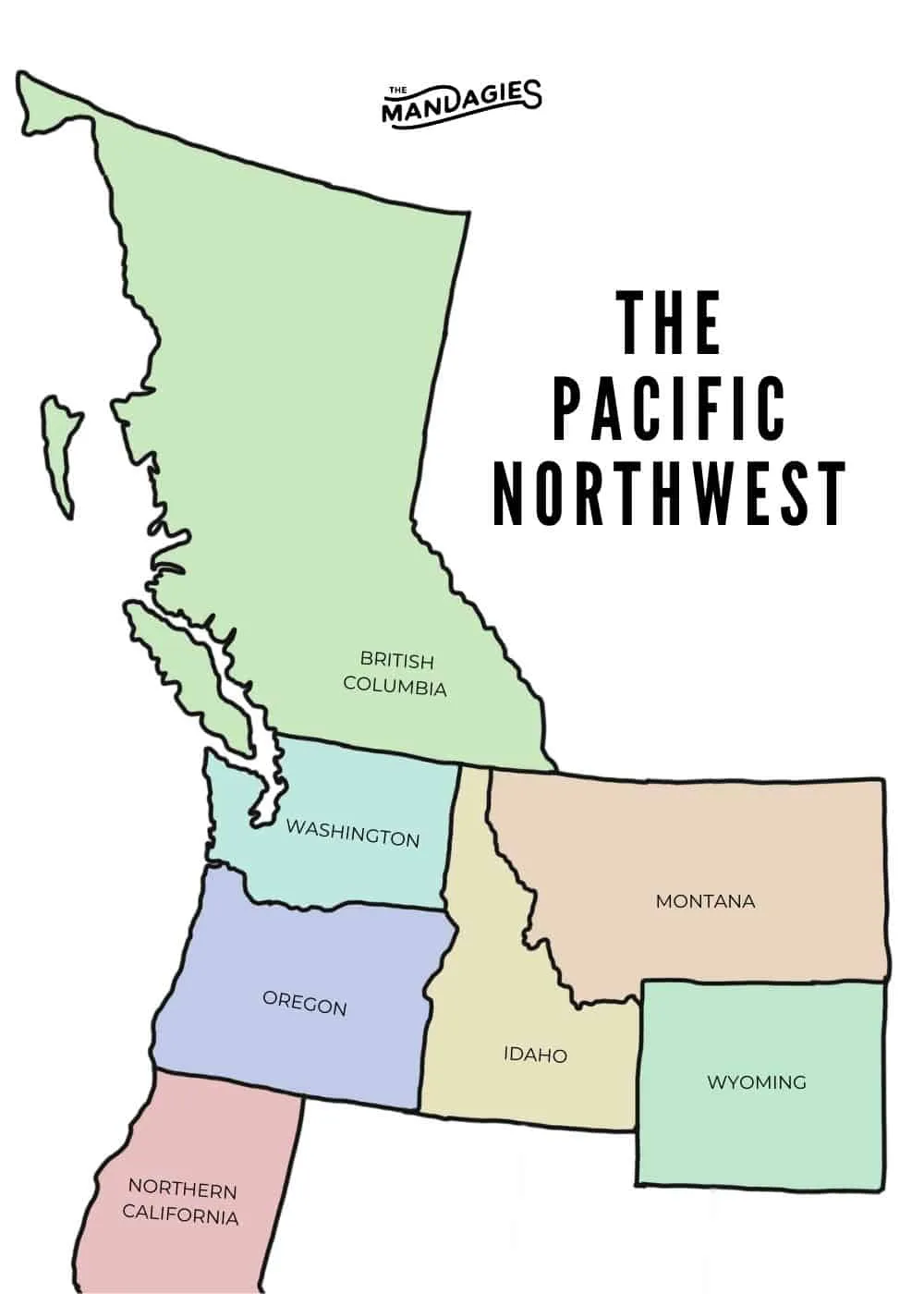 Photo: Pacific Northwest, via www.themandagies.com
This wasn't a marketing strategy. It was just what happened when local cooks made food from local ingredients for local customers who had opinions about how things should taste.
Chain restaurants eventually solved this variation as if it were a problem. Standardized menus, centralized supply chains, and corporate recipe manuals ensured that you could eat the exact same breakfast sandwich in Portland, Oregon as you could in Portland, Maine. Consistency was the product. The trade-off was that the food stopped being from anywhere in particular.
When Eating on the Road Became Transactional
The shift didn't happen all at once. The interstate highway system, which began reshaping American travel in the late 1950s, gradually redirected traffic away from the two-lane routes where most diners lived. When the highway bypassed a town, it often bypassed the diner along with it.
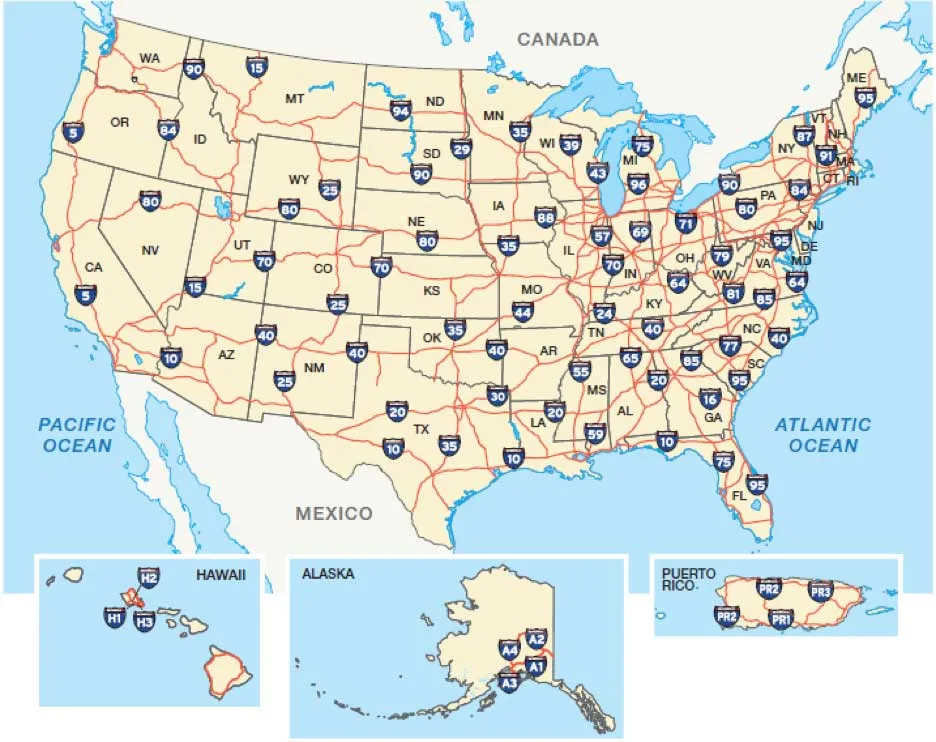 Photo: interstate highway system, via nap.nationalacademies.org
Fast food chains, which had been growing steadily since the early 1950s, were perfectly positioned to occupy the new exit ramps. They offered speed, predictability, and prices that were hard to argue with. For families trying to cover ground on a tight schedule, the calculation made sense.
But something changed in the texture of the trip. Eating became a logistics problem to solve rather than a reason to stop. You pulled off the highway, handled the food situation as efficiently as possible, and got back on the road. Nobody lingered. Nobody talked to strangers. Nobody learned that the woman behind the counter had been making the same lemon meringue pie for thirty-two years and that her daughter had just gotten into nursing school.
The meal became a transaction. And transactions, by design, end as quickly as possible.
What the Diner Actually Was
Look back at it now and you start to see the roadside diner for what it really was — one of the few places in American life where the highway's social mix was forced into genuine contact. The traveling executive and the long-haul driver weren't just eating in the same county. They were sitting three stools apart, both waiting on the same waitress, both watching the same pie rotate slowly in the same glass case.
That proximity mattered. It created a version of America that was harder to avoid and easier to understand.
Today, the diners that survive do so almost as cultural artifacts — beloved, slightly nostalgic, often featured in travel guides precisely because they feel like a different era. And they do feel like a different era. Because they are.
The highway kept moving. The counter stayed where it was. Eventually, most of America chose the highway.
It's worth asking, every now and then, what we left sitting on that stool.