Sticker Shock: When Cars Became America's Most Expensive Mistake
In 1975, Tom Peterson walked into a Chevrolet dealership in suburban Detroit and bought a brand-new Impala for $4,200. Tom was a factory worker making $8,500 a year, which meant his new car cost him about five months of gross pay. He drove it home, parked it in his driveway, and didn't think much about the transaction.
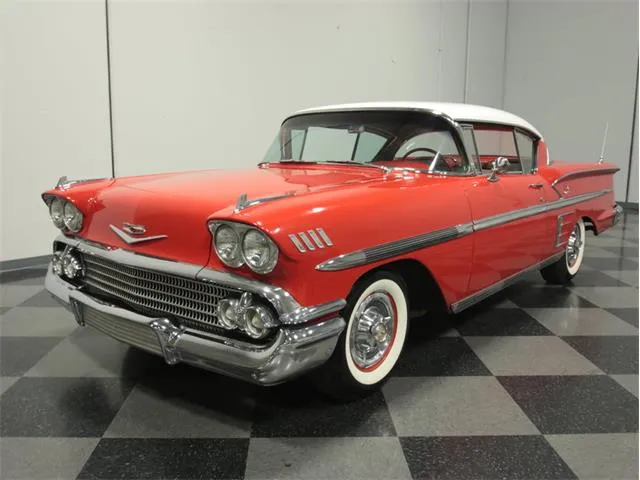 Photo: Chevrolet Impala, via ccpublic.blob.core.windows.net
If Tom's grandson tried to replicate that purchase today, he'd be looking at spending 14-16 months of gross income on a comparable new vehicle. Somehow, we've all agreed this makes perfect sense.
When Cars Were Actually Affordable
Let's establish the baseline: throughout most of the 20th century, a new car represented a manageable expense for working Americans. In 1950, the average new car cost $1,510 while median household income was $3,300 — roughly 5.5 months of pay. By 1970, that ratio had actually improved: cars cost about 4.5 months of median income.
Back then, financing was simple and brief. Most people took three-year loans, and paying cash wasn't uncommon. The idea of being "upside down" on a car loan — owing more than the vehicle was worth — was virtually unheard of because depreciation curves and loan terms were aligned.
More importantly, cars lasted shorter but cost proportionally less. A 1970 vehicle might need major repairs by 80,000 miles, but you'd paid so little for it initially that replacement made economic sense. The total cost of ownership remained reasonable because the entry price was reasonable.
The Great Inflation Nobody Noticed
Today's numbers tell a different story entirely. The average new vehicle price has hit $48,000, while median household income hovers around $70,000. That's 8.2 months of gross pay — nearly double the historical norm. But here's where it gets truly alarming: factor in taxes, and many Americans are looking at 12-14 months of take-home pay for a new car.
How did we get here without anyone noticing? The answer lies in financial engineering that would make Wall Street proud.
The Seven-Year Trap
The automotive industry solved the affordability crisis not by making cars cheaper, but by making payments smaller through longer loan terms. The standard three-year auto loan became four years, then five, then six. Today, seven and eight-year car loans are common, with some lenders offering terms up to 12 years.
This sleight of hand worked brilliantly — for the industry. Monthly payments stayed manageable even as total prices soared. A $48,000 car with a seven-year loan at 6% interest costs about $705 per month. The same car with a three-year loan would cost $1,463 monthly — clearly impossible for most buyers.
But here's the catch: that seven-year loan means paying $59,220 total, including $11,220 in interest. The buyer who thinks they're getting a $48,000 car is actually paying nearly $60,000 for the privilege of smaller monthly payments.
The Lease Mirage
When even extended financing couldn't mask the price increases, the industry pivoted to leasing. Suddenly, Americans could drive a $50,000 SUV for $399 a month with "nothing down except first payment and fees."
Leasing solved the monthly payment problem by essentially turning car ownership into permanent rental. Instead of eventually owning an asset (however depreciated), Americans began paying indefinitely for the privilege of driving something they'd never own. It's the financial equivalent of renting your home forever — except we somehow convinced ourselves this was smart money management.
The Hidden Costs Nobody Mentions
While purchase prices exploded, the peripheral costs of car ownership grew even faster. Insurance that cost $200 annually in 1975 now runs $1,500-2,000 for comparable coverage. Registration fees, inspection costs, and mandatory equipment have all multiplied well beyond inflation.
Maintenance presents its own trap. Modern cars last longer but cost exponentially more to repair. A transmission replacement that cost $800 in 1980 now runs $4,000-6,000. Computerization means simple repairs require expensive diagnostic equipment and specialized training.
The net result: total cost of ownership has exploded even faster than purchase prices, but the complexity makes it nearly impossible for consumers to calculate the true expense until they're already committed.
The Generational Wealth Transfer
This shift represents one of the largest generational wealth transfers in American history. Previous generations bought cars that became fully owned assets, however modest. They paid reasonable prices, owned their vehicles outright within a few years, and could pass them to children or sell them for meaningful money.
Today's buyers enter a cycle of permanent payments for depreciating assets they never fully own. The $700 monthly payment that once bought ownership now buys access. The difference — call it $400-500 monthly over a working lifetime — represents hundreds of thousands of dollars that previous generations kept but current generations pay to automotive companies and lenders.
Why We Accept the Unacceptable
So why do Americans tolerate paying 2-3 times the historical norm for transportation? Several factors converge:
First, the complexity obscures the real cost. Monthly payments, lease terms, trade-in values, and financing options create a fog of numbers that makes comparison with historical costs nearly impossible.
Second, cars have become status symbols rather than transportation tools. The idea of buying a basic, reliable vehicle has been culturally stigmatized. Americans feel pressure to drive something that projects success, even if achieving that projection requires financial sacrifice.
Third, suburban development patterns have made cars absolutely necessary rather than merely convenient. When daily life requires a vehicle, price becomes secondary to access.
The Road Back
The mathematics of modern car ownership represent a fundamental challenge to middle-class prosperity. When transportation consumes 15-20% of household income instead of the historical 8-10%, that difference has to come from somewhere — usually savings, retirement contributions, or discretionary spending.
Recognizing this shift is the first step toward addressing it. Americans once expected cars to be affordable tools for getting around. We've somehow accepted that they should be expensive lifestyle statements that require permanent financing.
The road back to sanity starts with remembering that transportation is supposed to serve our lives, not consume them. Tom Peterson's 1975 Impala wasn't just a car — it was a reminder that mobility shouldn't cost mobility in everything else.