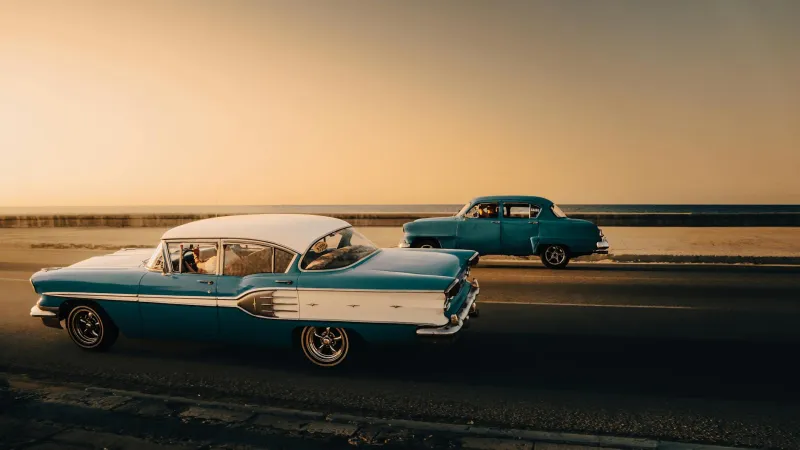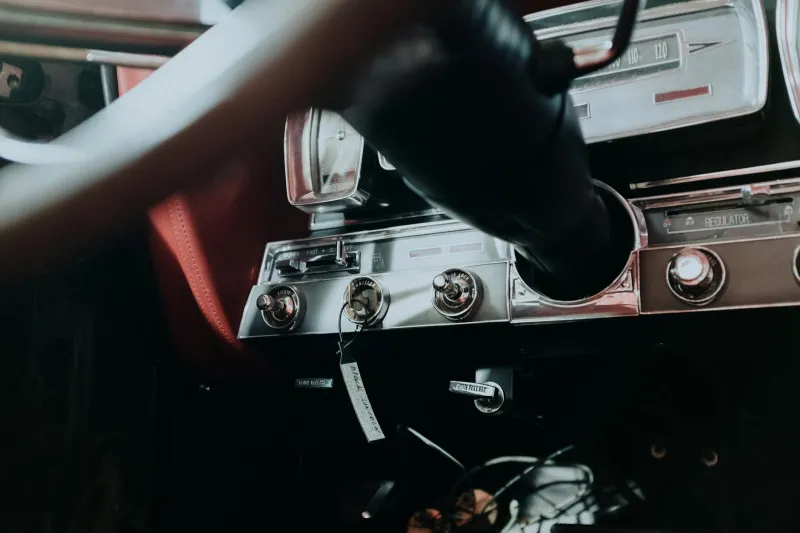
Mary Ellen's 1969 Mustang was named Stella, and everyone in the neighborhood knew it. Stella had quirks — she needed exactly three pumps of the gas pedal on cold mornings, her radio only picked up AM stations clearly, and her passenger door handle required a specific twist-and-pull technique that Mary Ellen demonstrated to every new passenger with obvious pride.
When Stella finally gave up in 1987, Mary Ellen cried actual tears. She'd driven that car through college, two jobs, a marriage, and the birth of her first child. Stella wasn't just transportation — she was family.
Today, Mary Ellen's daughter drives a leased 2023 Toyota RAV4 Hybrid that she refers to as "my car" when she's being specific, or "the Toyota" when she's being casual. She's never given it a name, never developed an emotional attachment, and frankly can't wait to turn it in for something newer in eighteen months.
Something fundamental changed in the American relationship with automobiles, and we're only now beginning to understand what we lost.
When Cars Had Personalities
For most of the 20th century, American cars possessed distinct personalities that their owners genuinely cared about. A 1957 Chevy Bel Air looked nothing like a Ford Thunderbird, which looked nothing like a Plymouth Fury. Each had its own character, its own reputation, its own tribe of devoted followers.
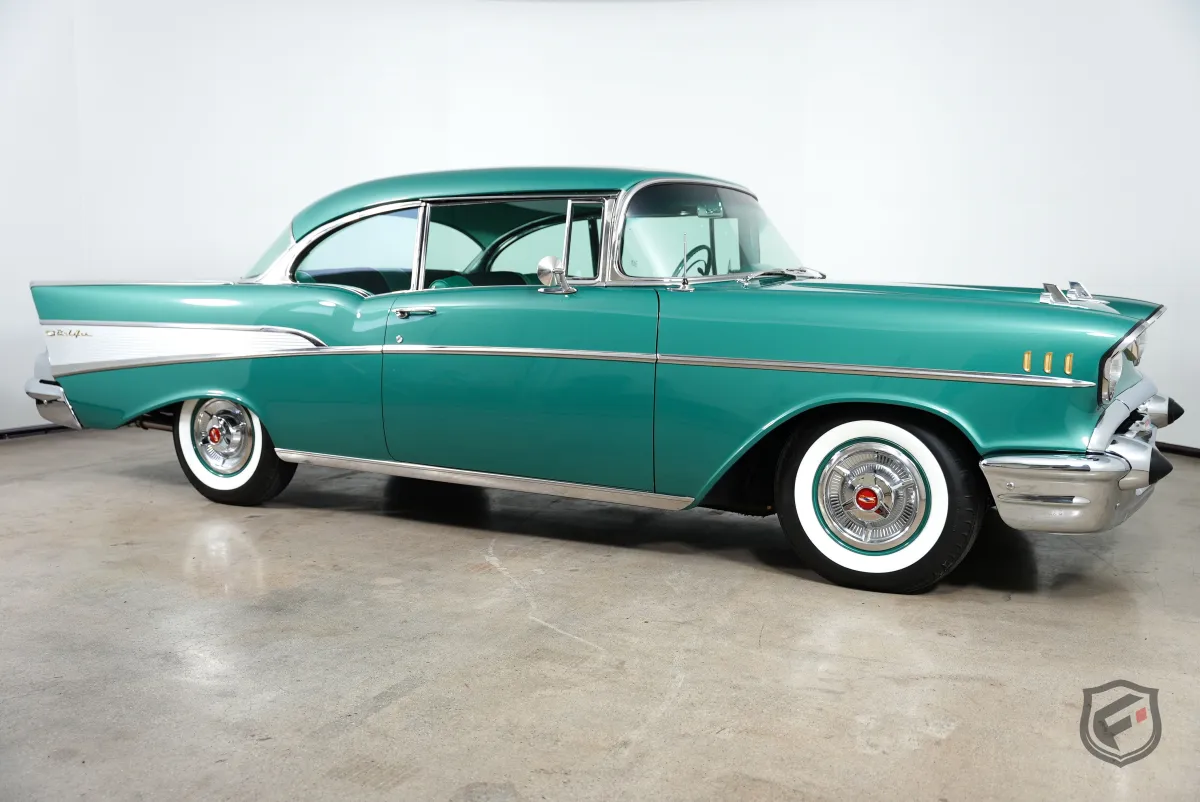 Photo: 1957 Chevy Bel Air, via cdn.dealeraccelerate.com
Owners developed genuine relationships with their vehicles. They learned their cars' moods, preferences, and peculiarities. They knew exactly how long to wait before starting on a cold morning, which radio stations came in clearest, and how to finesse the temperamental air conditioning.
This wasn't just mechanical familiarity — it was emotional investment. People named their cars, talked to them during difficult starts, and genuinely mourned when they died. Car ownership was a relationship, not a transaction.
The Brand Wars That Actually Mattered
Back then, choosing a car brand meant something. Ford versus Chevy wasn't just about specifications — it was about identity. Families had brand loyalties that lasted generations. "We're a Ford family" wasn't marketing speak; it was tribal affiliation.
These loyalties sparked genuine debates. Neighbors argued about engine configurations over backyard fences. Friends defended their brand choices with the passion usually reserved for sports teams or political parties. Car magazines weren't just about specs — they were cultural battlegrounds where different philosophies of driving, living, and being American played out.
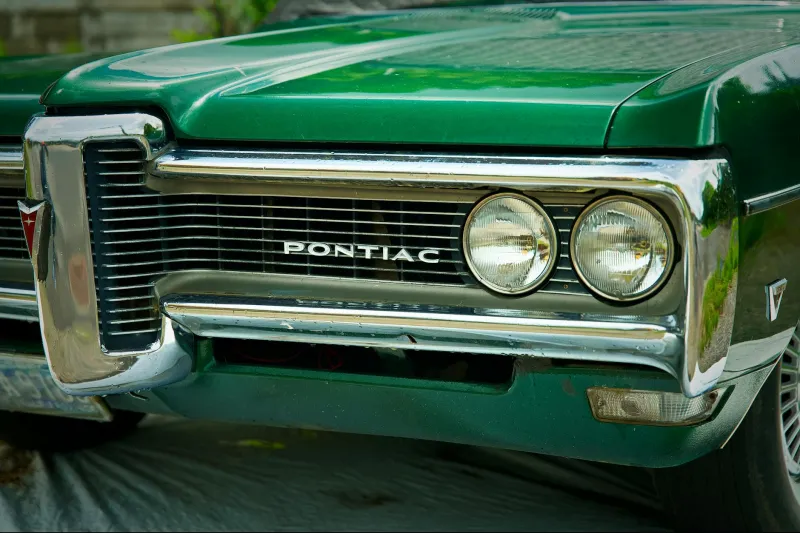
The differences were real and meaningful. A Pontiac GTO attracted different people than a Volkswagen Beetle. A Cadillac Eldorado made a different statement than a Jeep CJ-5. Cars were expressions of personality, aspiration, and values in ways that went far beyond simple transportation needs.
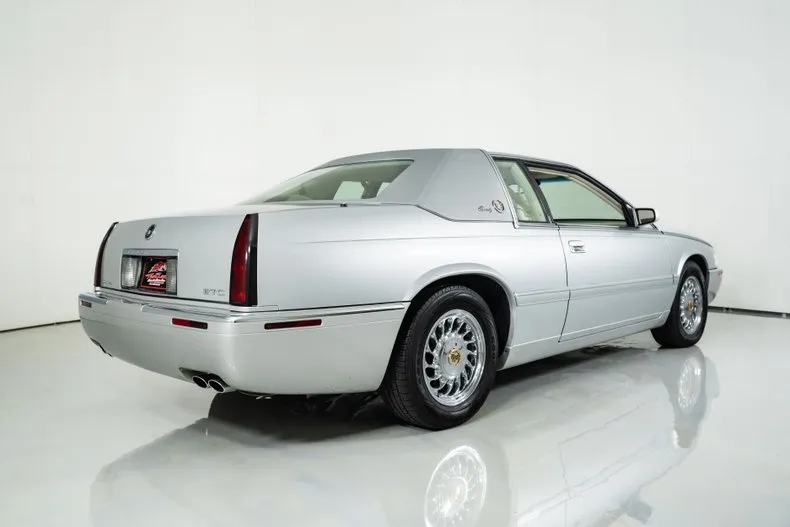 Photo: Cadillac Eldorado, via cdn.dealeraccelerate.com
The Beginning of the End
The erosion started in the 1980s with the rise of focus groups and market research. Instead of engineers and designers creating cars based on vision and passion, committees began designing vehicles based on surveys and demographic analysis. The goal shifted from building cars people would love to building cars that offended the fewest potential buyers.
Safety regulations, while necessary, contributed to homogenization. As crash standards and emissions requirements tightened, cars began looking more alike. The distinctive design flourishes that gave vehicles personality — tailfins, chrome details, unique proportions — disappeared in favor of wind-tunnel-tested efficiency.
By the 1990s, the automotive landscape was increasingly dominated by anonymous, competent vehicles that did their jobs well but inspired little passion. The Honda Accord and Toyota Camry became best-sellers not because people loved them, but because they offended no one and broke down rarely.
The SUV Homogenization
The final blow came with the SUV revolution of the 2000s. As Americans abandoned sedans for crossovers and SUVs, the remaining differences between brands largely evaporated. Today's automotive landscape is dominated by nearly identical three-row crossovers that vary mainly in badge placement and interior trim colors.
A Honda Pilot, Toyota Highlander, and Ford Explorer are functionally interchangeable. They have similar dimensions, similar features, similar reliability records, and similar driving characteristics. The passionate brand debates of previous generations have been replaced by discussions of warranty terms and lease incentives.
The Algorithm Ate My Car
Modern car shopping has become an exercise in optimization rather than emotion. Buyers research reliability ratings, compare fuel economy numbers, and read professional reviews. Algorithms suggest vehicles based on previous purchases and demographic data. The process has become clinical, efficient, and utterly devoid of romance.
Leasing accelerated this trend by turning cars into temporary appliances. When you know you'll return a vehicle in two or three years, why develop an emotional attachment? Why learn its quirks or give it a name? It's just a tool you're borrowing, not a companion you're choosing.
The subscription model now emerging takes this even further. Some manufacturers are moving toward service plans where customers pay monthly fees for access to vehicles rather than owning them outright. Cars become like Netflix — convenient, replaceable, and completely disposable.
What We Lost in Translation
The death of automotive romance represents more than just changed shopping habits. It reflects a broader shift in how Americans relate to material possessions and long-term commitments.
Previous generations bought cars they intended to keep for years, even decades. They invested time learning about their vehicles, money maintaining them, and emotion caring about them. The relationship between person and machine was genuine and lasting.
Today's approach treats cars as disposable appliances to be upgraded regularly. We've gained reliability and efficiency, but we've lost the deep satisfaction that comes from truly knowing and caring for a machine that serves us faithfully.
The Muscle Car Exception
Interestingly, the only segment where automotive passion survives is in the muscle car and sports car market. Owners of Corvettes, Mustangs, and Camaros still name their cars, attend brand-specific events, and defend their choices with religious fervor. These vehicles remain expressions of identity rather than mere transportation.
But this segment represents a tiny fraction of the overall market. For most Americans, car ownership has become a purely rational decision based on practical considerations. The heart has been removed from the equation entirely.
The Road Forward
Perhaps this evolution was inevitable. Modern cars are undeniably better in almost every measurable way — safer, more reliable, more efficient, more comfortable. The price of this progress was personality, but maybe that's a trade-off worth making.
Or maybe we've lost something essential about the American relationship with freedom, individuality, and the open road. Maybe the death of automotive romance reflects a broader cultural shift away from long-term commitments and deep relationships with the things that shape our daily lives.
Either way, Stella's era is over. The age of the disposable crossover has begun. Whether that represents progress or loss depends on what you valued about the journey in the first place.