Reading America's Driveway: When Your Neighbor's Car Told You Everything About Their Life
Walk through any American suburb today, and the driveways tell you almost nothing. A parade of silver SUVs, white crossovers, and black sedans — all leased, all nearly identical, all carefully anonymous. But rewind to 1965, and those same driveways were open books, broadcasting their owners' stories in chrome and paint.
The Doctor's Cadillac and the Teacher's Plymouth
In postwar America, your profession practically dictated your driveway. Doctors drove Cadillacs — not because they were car enthusiasts, but because patients expected their physicians to project success and stability. A doctor in a beat-up Ford raised questions about his competence. A doctor in a flashy Corvette raised questions about his character.
Teachers drove practical sedans: Plymouth Furys, Ford Galaxies, Chevrolet Bel Airs. These cars announced responsibility and fiscal prudence — qualities parents wanted in the people educating their children. A high school principal in a two-door sports car wasn't just unusual; it was potentially career-limiting.
Salesmen needed cars that impressed without intimidating. The Buick Electra hit the sweet spot — upscale enough to suggest success, conservative enough to avoid alienating customers. Insurance agents drove Oldsmobiles. Bank managers favored Chryslers. The automotive hierarchy mirrored the professional one with remarkable precision.
When Car Colors Had Meanings Everyone Understood
Color wasn't just aesthetic choice — it was social signaling. Black cars suggested seriousness and authority. Funeral directors, judges, and corporate executives gravitated toward black. White implied cleanliness and modernity, making it popular with doctors and dentists.
Red was the color of rebellion and youth, but it came with social costs. A red car might suggest impulsiveness or poor judgment — fine for a young bachelor, problematic for someone seeking a bank loan or running for city council.
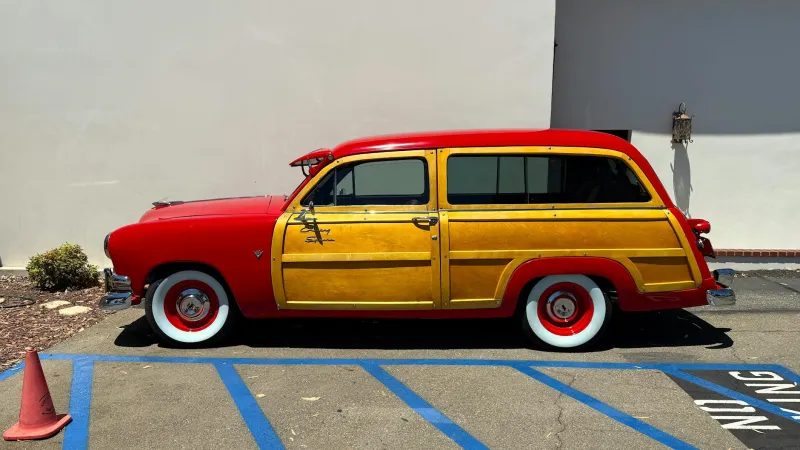
Two-tone paint jobs were statements of prosperity. The extra cost and complexity announced that the owner had both money and style. Working-class families might scrimp for months to afford the two-tone option, because it moved them up a visible social rung.
The Regional Dialects of American Driveways
Different parts of the country developed their own automotive languages. In Texas, pickup trucks weren't just work vehicles — they were declarations of independence and self-reliance. A banker who drove a truck was saying something different than a banker who drove a sedan.
New England favored understated luxury: well-maintained older cars over flashy new ones. A 10-year-old Buick in perfect condition suggested both prosperity and Yankee thrift. California embraced automotive experimentation — custom paint jobs, aftermarket accessories, and imported cars that hadn't yet reached other markets.
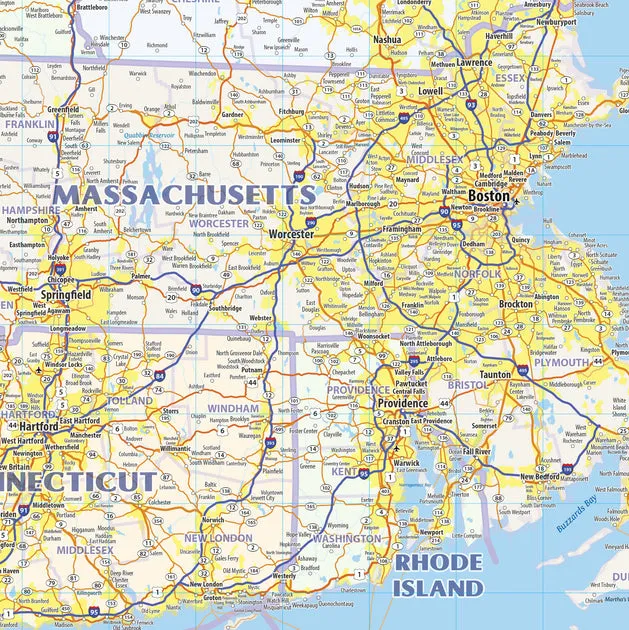 Photo: New England, via www.americanmapstore.com
The South maintained strict social hierarchies that extended to car lots. Certain brands were "for our kind of people," while others carried class implications that everyone understood but nobody discussed openly.
When Maintenance Was a Character Reference
How you maintained your car mattered as much as what you drove. A pristine 1959 Chevrolet announced responsibility and attention to detail. A neglected Cadillac suggested either financial problems or moral failings — possibly both.
Waxing your car wasn't just maintenance; it was a public statement about your standards. Neighbors would judge you based on whether your chrome was polished and your whitewalls were actually white. A dirty car in the driveway reflected poorly on the entire household.
Men who changed their own oil were seen as practical and self-reliant. Men who couldn't check their own tire pressure were viewed with mild suspicion. Automotive competence was considered a basic masculine skill, like knowing how to use tools or start a fire.
The Politics Parked in Your Garage
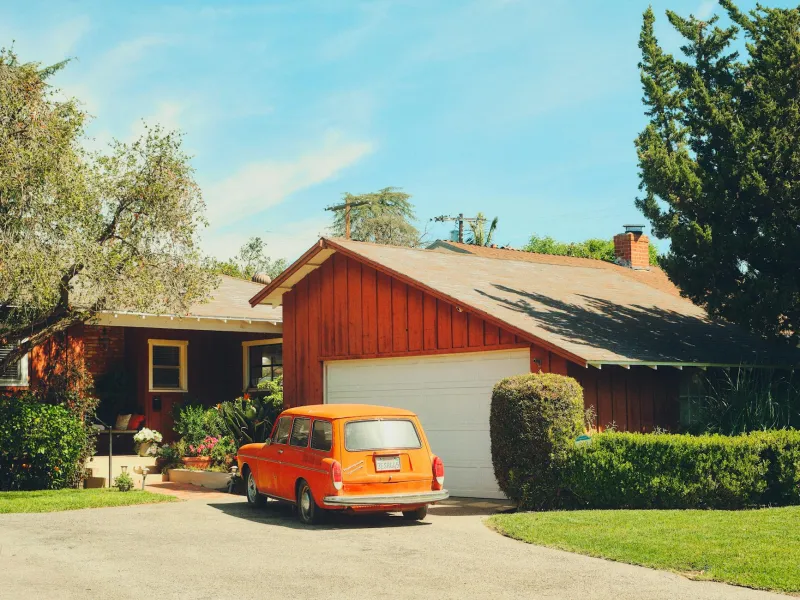
Certain cars carried political implications that owners understood perfectly. Foreign cars were controversial well into the 1970s — driving a Volkswagen or Toyota suggested either liberal politics or unpatriotic tendencies, depending on your community's perspective.
Large cars implied conservative values: support for American industry, traditional family structures, and established social hierarchies. Small cars suggested progressive thinking, environmental awareness, or simple non-conformity.
Union members faced particular pressure to "buy American." A UAW member driving a Honda wasn't just making a consumer choice — he was potentially betraying his brothers and his community.
The Decline of Automotive Autobiography
Several forces conspired to eliminate this rich social language. Automotive quality converged — the gap between a Chevrolet and a Cadillac narrowed dramatically. Foreign manufacturers gained acceptance and market share, diluting the meaning of "buying American."
Leasing became common, divorcing car ownership from long-term financial commitment. When everyone's driving a three-year lease, the car says less about the owner's values or economic situation.
Most importantly, Americans became more mobile and less rooted in communities where these social signals mattered. In a neighborhood where people moved every five years, nobody had time to decode the automotive language — or cared enough to learn it.
What We Lost When Cars Became Appliances
The death of automotive social signaling coincided with cars becoming more reliable and less distinctive. When every car lasts 200,000 miles and looks roughly the same, they stop being expressions of identity and become mere transportation.
This shift removed a rich layer of social communication from American life. We lost a shared vocabulary for discussing class, values, and aspirations. The driveway stopped being a window into the household's soul.
The New Signals We Barely Notice
Modern cars still send social signals, but they're subtler and more complex. Tesla ownership suggests environmental consciousness and tech-savviness. Pickup trucks have retained some of their traditional meanings. Luxury car badges still matter, but their messages are muddied by lease deals and certified pre-owned programs.
Bumper stickers have partially replaced car choice as social signaling, but they're more explicit and less nuanced than the old automotive language.
The Democracy of Anonymity
Perhaps the death of automotive social signaling was ultimately liberating. Americans no longer feel pressure to buy cars that match their professions or conform to community expectations. A teacher can drive a sports car without scandal. A doctor can choose a Honda without losing patients.
But we've also lost something valuable: a shared cultural language that helped communities understand themselves and each other. The bland uniformity of modern driveways reflects a broader cultural flattening — we've gained individual freedom at the cost of collective meaning.
The next time you walk through a neighborhood, imagine those driveways in 1965: each car a carefully chosen statement, each color a deliberate message, each level of maintenance a character reference. We may drive better cars today, but we've forgotten how to let them tell our stories.