The Parking Meter Was Invented to Help Drivers — Now It's Their Worst Enemy
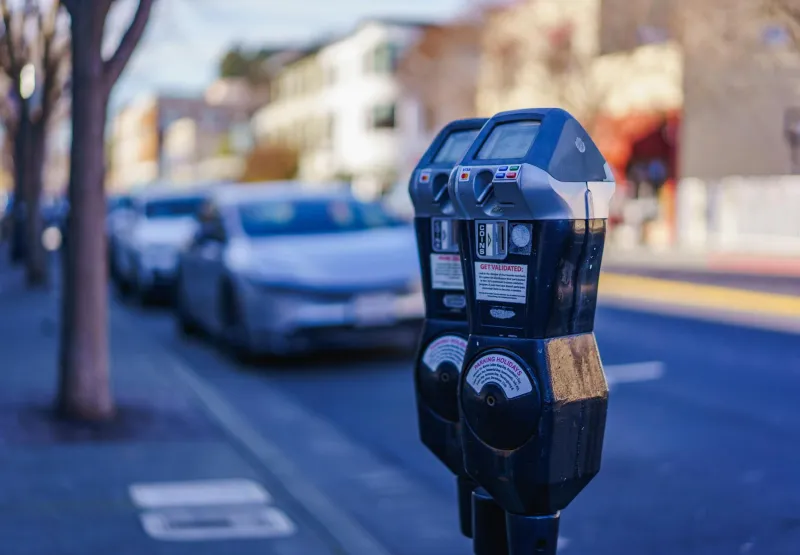
The Parking Meter Was Invented to Help Drivers — Now It's Their Worst Enemy
Picture this: It's 1935 in Oklahoma City, and finding a downtown parking spot is like winning the lottery. Business owners are furious because the same cars sit parked outside their stores all day, while potential customers circle the block endlessly before giving up and shopping elsewhere. Enter Carl Magee, a local journalist and businessman, with what seemed like a brilliant solution: a coin-operated device that would encourage turnover and give everyone a fair shot at street parking.
On July 16, 1935, the world's first parking meter was installed on the corner of First Street and Robinson Avenue. It cost a nickel for an hour, and locals called it the "Park-O-Meter." The idea was revolutionary in its simplicity: create a system that would keep cars moving, help businesses thrive, and make downtown more accessible to everyone.
When Parking Meters Actually Served Drivers
The original parking meter wasn't designed as a money grab — it was urban problem-solving at its finest. Before meters, downtown parking was essentially first-come, first-served chaos. Store employees would park in front of their own businesses all day, leaving customers with nowhere to go. Shoppers who did find spots would camp out for hours, turning quick errands into all-day affairs for everyone else.
Magee's invention changed everything overnight. Suddenly, there was constant turnover. Customers could actually find parking near the stores they wanted to visit. Business owners saw foot traffic increase as more people could access their shops throughout the day. The meters were doing exactly what they were supposed to do: serving drivers by making parking more fair and available.
The early meters were mechanical marvels — wind-up devices that ticked down like kitchen timers, with red flags that popped up when time expired. They required no electricity, rarely broke down, and generated just enough revenue to maintain themselves. Cities across America took notice, and by 1940, over 140,000 parking meters had been installed nationwide.
The Slow Transformation Into Revenue Machines
Somewhere along the way, cities discovered that parking meters weren't just traffic management tools — they were goldmines. What started as a modest nickel-per-hour system designed to encourage turnover gradually evolved into sophisticated revenue generation.
By the 1960s and 70s, meter rates began climbing faster than inflation. Cities realized they could fund everything from street maintenance to general municipal operations through parking fees. The meters that once cost a nickel now demanded quarters, then multiple quarters, then credit cards loaded with fees.
Modern parking meters bear little resemblance to Magee's helpful invention. Today's digital systems can charge different rates at different times of day, accept payment through smartphone apps (with convenience fees, naturally), and even extend time remotely. Some cities have implemented "demand-based pricing" that increases rates when spots are scarce — essentially surge pricing for parking.
The Modern Parking Meter Industrial Complex
Today's parking enforcement has become a $5 billion annual industry. Cities like San Francisco generate over $200 million yearly from parking meters and citations. New York City collected nearly $600 million in parking-related revenue in 2022 alone. What began as a five-cent solution to help drivers find spots has morphed into a significant line item in municipal budgets.
The technology has advanced far beyond simple time management. Modern meters can:
- Track your license plate and follow you from spot to spot
- Send real-time data to enforcement officers
- Charge premium rates during peak hours
- Require payment through apps that collect your personal data
- Issue citations automatically when time expires
Meanwhile, parking enforcement has become militarized. Cities deploy fleets of vehicles equipped with license plate readers that can scan thousands of cars per hour, generating tickets for expired meters with ruthless efficiency. The friendly neighborhood meter maid checking coins has been replaced by algorithmic enforcement systems that show no mercy.
The Rebellion Against the Machine
Drivers have noticed this transformation, and they're not happy about it. What was once seen as a fair system has become a source of universal frustration. Social media is filled with stories of $200 parking tickets for being five minutes late to feed a meter, or having to download three different apps just to pay for street parking.
Some cities are beginning to recognize that their parking meter systems have become counterproductive. Instead of encouraging turnover and supporting local businesses, expensive and complicated parking systems are driving people away from downtown areas entirely. Why deal with the hassle and expense of street parking when you can shop online or visit suburban malls with free parking?
The Future of Street Parking
Interestingly, some cities are now experimenting with returning to the parking meter's original purpose. Programs in places like Austin and Portland are testing free short-term parking in business districts, recognizing that the revenue from parking meters might be less valuable than the economic activity generated by making downtown areas more accessible.
Others are embracing technology in driver-friendly ways — meters that let you add time remotely without penalty, systems that refund unused time automatically, or apps that send gentle reminders instead of immediate tickets.
The parking meter's journey from helpful invention to public enemy number one reflects a broader truth about urban policy: solutions designed to help people can gradually transform into systems that exploit them. Carl Magee's 1935 invention solved a real problem for drivers. Whether today's parking infrastructure serves anyone besides municipal budget departments is a question more cities are finally starting to ask.
The next time you're fumbling for quarters or downloading yet another parking app, remember: this whole system was supposed to make your life easier.