Neon Dreams and Swimming Pool Schemes: When America's Motor Lodges Were the Main Attraction
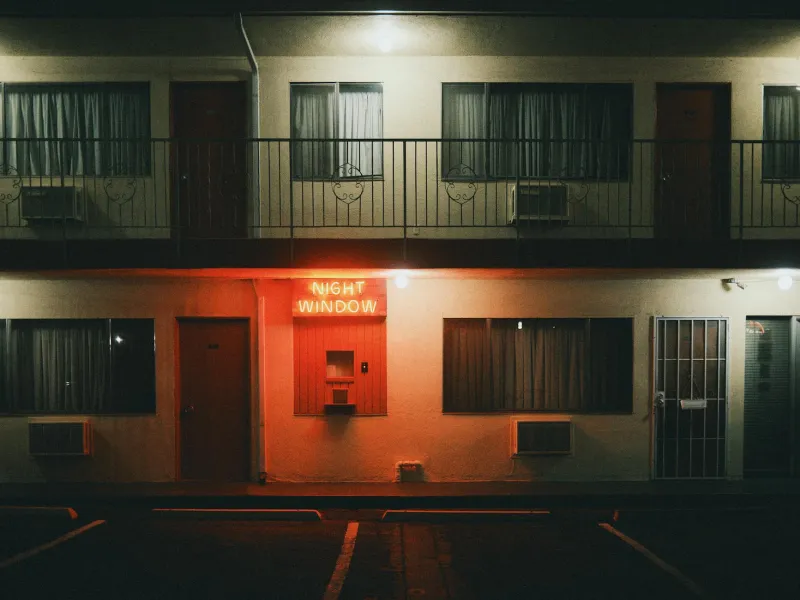
Pull into any highway exit today, and you'll find the same predictable lineup: Hampton Inn, Holiday Inn Express, maybe a Comfort Suites if you're feeling fancy. Clean, reliable, and utterly forgettable. But rewind to 1962, and that same stretch of blacktop told a completely different story — one written in blazing neon cursive and punctuated by diving boards.
When Staying Overnight Was Half the Fun
America's motor lodges weren't just places to sleep between destinations. They were the destination. The Stardust Motor Inn promised "Magic Fingers" vibrating beds and a restaurant that never closed. The Flamingo Lodge featured a kidney-shaped pool with underwater lighting and a cocktail lounge that stayed open until 2 AM. The Desert Palms offered individual air conditioning units that guests could control themselves — a luxury so novel it made the marquee.
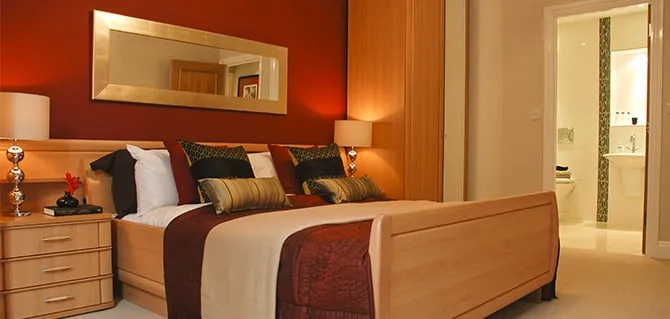 Photo: Stardust Motor Inn, via s3-media0.fl.yelpcdn.com
These weren't corporate amenities designed by focus groups. They were the fever dreams of individual entrepreneurs who understood something the modern hospitality industry has forgotten: travelers wanted to feel like they were somewhere special, even if they were just passing through Barstow.
The Architecture of Adventure
Every motor lodge was a small-scale Disneyland. Owners competed not just on price and location, but on pure spectacle. The Wigwam Village chain built concrete tepees you could sleep inside. The Madonna Inn in San Luis Obispo featured rooms carved from solid rock. In Wildwood, New Jersey, the Doo Wop motels pushed atomic-age design to its absolute limits, with boomerang rooflines and starbursts that looked like they'd been beamed down from the Jetsons.
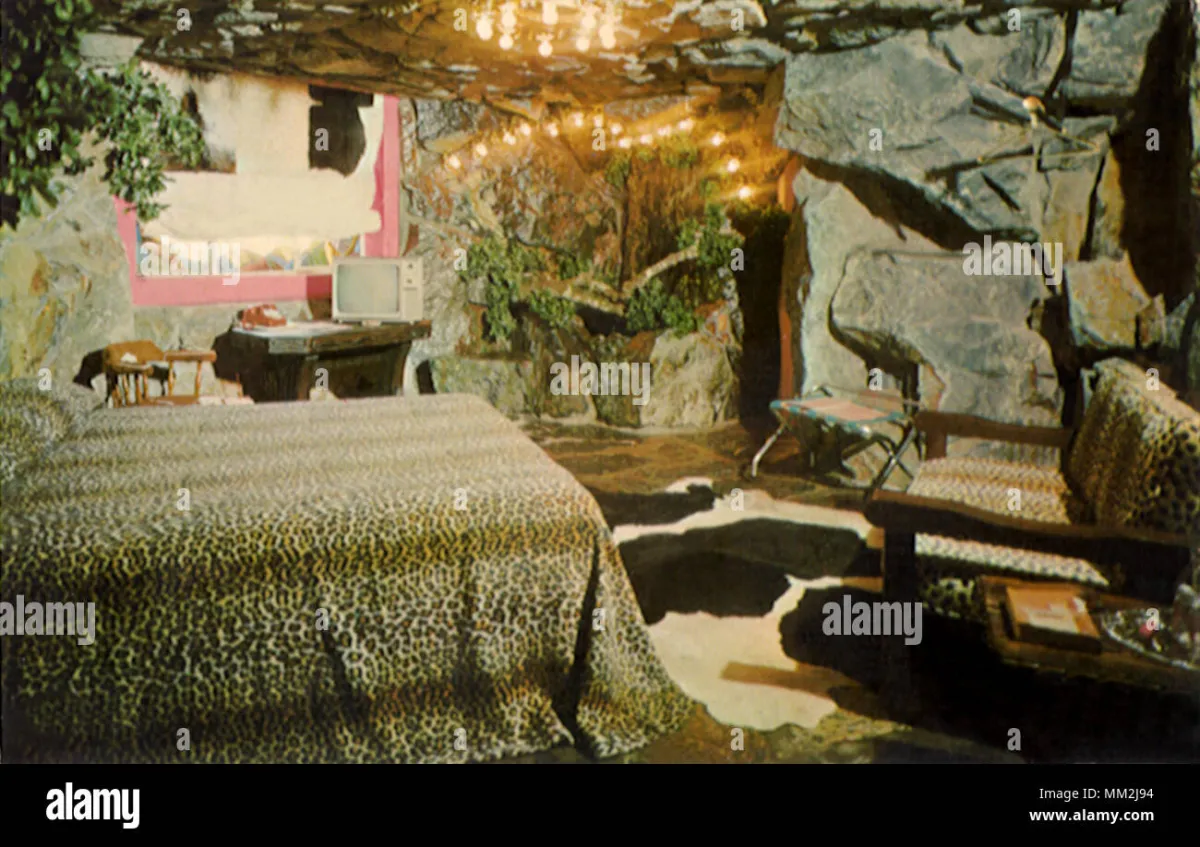 Photo: Madonna Inn, via c8.alamy.com
These places understood that Americans driving cross-country weren't just moving from Point A to Point B — they were embarking on adventures. The motel needed to feel like part of that adventure, not a pause button on it.
The Personal Touch That Corporate Chains Killed
Walk into a motor lodge in 1965, and you'd likely meet the owner within five minutes. They'd recommend the best diner in town, warn you about the speed trap outside city limits, and probably know whether you were heading to the Grand Canyon or just trying to make it to Phoenix by morning.
These owner-operators had skin in the game that no regional manager ever could. If the pool heater broke, they fixed it themselves. If guests complained about the mattress, they'd drive to the furniture store that afternoon. Bad reviews didn't get filtered through corporate headquarters — they hit the owner's reputation directly.
Modern hotel chains optimized this personal element right out of existence. Today's front desk clerk follows a script written in Atlanta or Dallas, manages problems through an 800 number, and probably couldn't recommend a local restaurant if their job depended on it.
When Swimming Pools Were Statements
The motor lodge pool wasn't just an amenity — it was a declaration of intent. Kidney-shaped pools announced that this establishment understood modern design. Tiki torches around the deck suggested exotic sophistication. Underwater lighting promised after-dark glamour.
Families would actually plan their routes around these pools. Kids would beg their parents to stop at the motel with the slide. Adults would extend their stays just to float around the pool with a cocktail while the neon signs reflected off the water.
Today's hotel pools are afterthoughts — rectangular, heavily chlorinated, and usually surrounded by concrete and plastic furniture. They're functional, but they're not magical.
The Death of Roadside Romance
What killed the motor lodge wasn't just corporate efficiency — it was changing expectations. Interstate highways bypassed the old routes where these places thrived. Business travelers wanted predictability over personality. Families started flying instead of driving cross-country.
But something deeper changed too. Americans stopped seeing travel as an adventure and started seeing it as a problem to solve. We optimized for speed and convenience instead of experience and discovery. The journey became something to endure rather than enjoy.
What We Lost When We Gained Consistency
Modern highway hotels deliver exactly what they promise: clean rooms, reliable Wi-Fi, and continental breakfast. But they've stripped travel of its serendipity. You know exactly what your room will look like before you check in, exactly what the breakfast will offer, exactly what the pool will feel like.
The old motor lodges were gambles. Sometimes you'd hit jackpot — a place with character and charm that became part of your trip's story. Sometimes you'd get a dump. But either way, you'd remember it.
Today's travelers Instagram their destinations, but they never photograph their hotels. That tells you everything about what we've traded away in the name of efficiency.
The Survivors and What They Teach Us
A few classic motor lodges still dot America's back roads, preserved by owners who understand their historical value or hipster entrepreneurs who've discovered their Instagram potential. These survivors remind us that hospitality used to be about more than thread counts and loyalty points.
They remind us that there was a time when Americans genuinely looked forward to checking in somewhere new, when the motel sign was as important as the destination sign, when sleeping on the highway was half the point of taking the trip in the first place.
The neon may be faded and the kidney pools may be filled with leaves, but these places still whisper a truth that modern travel has forgotten: the best journeys happen when you're not in a hurry to arrive.