Walk through any parking lot today and you'll witness one of the most dramatic cultural shifts in American automotive history. Row after row of white, silver, gray, and black vehicles stretch endlessly, broken only by the occasional red or blue that seems almost rebellious by comparison. It's a monochrome landscape that would have baffled car buyers from the 1950s, when American driveways exploded with colors that had names like "Flamingo Pink," "Aztec Copper," and "Seafoam Green."
How did we go from automotive peacocks to a nation driving in grayscale? The answer reveals everything about changing American attitudes toward risk, individuality, and what it means to make a statement.
When Paint Jobs Were Personal Statements
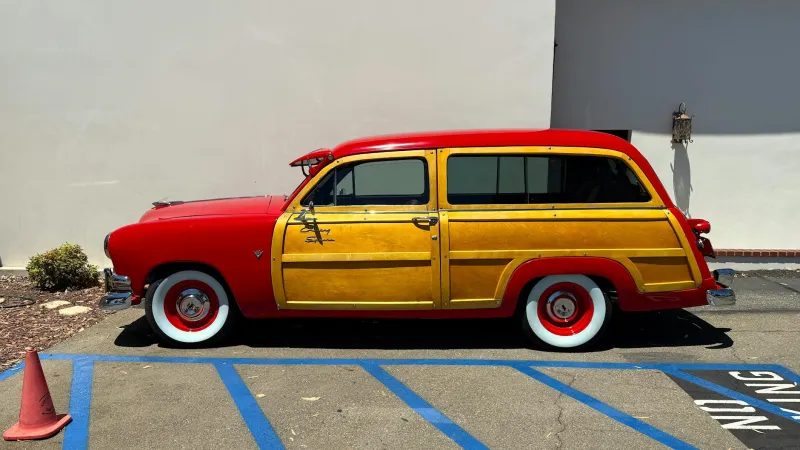
In 1955, a Chevrolet buyer could choose from 16 different colors, each with a name that told a story. "Harvest Gold" evoked autumn drives through New England. "Coral" suggested tropical getaways. "Nassau Blue" promised adventure on distant shores. These weren't just marketing gimmicks — they were invitations to express personality through automotive choice.
 Photo: New England, via mapsof.net
Car colors carried social meaning that's almost impossible to imagine today. A businessman might choose "Executive Black" to project authority, while a young family might opt for "Sunshine Yellow" to broadcast optimism. Pink cars weren't just acceptable — they were fashionable, especially among women who saw them as sophisticated alternatives to traditional automotive masculinity.
Automakers treated color as a competitive battleground. Ford's "Thunderbird Blue" became so popular that other manufacturers scrambled to create their own signature blues. Chrysler's "Plum Crazy Purple" turned heads and sparked conversations. Even practical colors had personality — "Copper Metallic" suggested earthiness, while "Pearl White" implied elegance.
Dealerships displayed cars like rainbow jewelry stores, with gleaming examples of every available hue lined up to catch different angles of sunlight. Families would spend entire afternoons debating color choices, understanding that this decision would define their automotive identity for years.
The Great Color Collapse
The decline began subtly in the 1980s, accelerated through the 1990s, and reached its gray conclusion in the 2000s. Multiple forces conspired to drain the rainbow from American roads.
First came the resale value revolution. As cars became more expensive and buyers more practical, dealers started emphasizing "safe" colors that would hold their value. White, silver, and black became the holy trinity of smart purchasing, while bold colors were dismissed as financial mistakes that would limit future buyers.
Then technology changed everything. Modern paint systems could create stunning metallics and pearls, but they came with a catch — complexity meant higher costs and longer production times. Manufacturers discovered they could streamline operations by offering fewer colors, especially since market research showed most buyers gravitating toward neutral tones anyway.
The final nail came from an unexpected source: luxury cars. As premium brands like BMW and Mercedes emphasized sophisticated monochromes, mainstream manufacturers followed suit. Suddenly, bold colors seemed cheap and flashy, while restrained palettes suggested refinement and maturity.
The Psychology of Automotive Anonymity
Today's color preferences reflect a fundamental shift in American car culture. Where previous generations used vehicles to broadcast individuality, modern buyers increasingly prefer automotive anonymity. A white SUV doesn't make statements — it blends in, stays professional, and avoids unwanted attention.
This trend mirrors broader cultural changes toward risk aversion and conformity. In an era of social media scrutiny and professional networking, many Americans prefer cars that won't photograph badly or send the wrong message. A gray sedan is safe in ways that a lime green convertible could never be.
The rise of lease culture accelerated this transformation. When you're returning a car in three years, resale value matters more than personal expression. Leasing companies actively discourage bold color choices, knowing they'll struggle to move unusual hues when lease terms end.
Even when manufacturers offer interesting colors, buyers often default to safe choices. Tesla's "Plaid Red" and Ford's "Grabber Blue" exist primarily to generate social media buzz, not actual sales. Most customers ultimately choose white, black, or silver — colors that feel timeless rather than trendy.
What We Lost in the Wash
The death of automotive color represents more than aesthetic preference — it's the loss of a uniquely American form of self-expression. For decades, car colors served as mobile personality tests, allowing strangers to make instant judgments about drivers' creativity, confidence, and cultural affiliations.
We've also lost the shared cultural experience of color trends. Everyone knew what "Lime Gold" meant in 1970, or why "Teal" dominated the early 1990s. These colors created generational markers and cultural touchstones that simply don't exist in today's monochrome landscape.
The practical implications extend beyond nostalgia. Parking lots full of identical silver sedans create genuine navigation challenges. How many times have you wandered through rows of nearly identical vehicles, clicking your key fob desperately? This problem barely existed when cars came in distinctive colors.
Signs of Rainbow Revival
Recently, some manufacturers have begun pushing back against the beige invasion. Dodge's "Hellraisin" purple and Jeep's "Punk'n" orange represent attempts to revive automotive personality. Younger buyers, especially millennials and Gen Z, show increasing interest in expressive colors that help their vehicles stand out on social media.
Custom paint jobs and wraps have also exploded in popularity, suggesting that the desire for colorful cars never really died — it just went underground. When manufacturers won't provide interesting colors, enthusiasts create their own.
The electric vehicle revolution might accelerate this trend. As cars become more environmentally conscious, bold colors could signal progressive values and technological adoption. Tesla's "Pearl White Multi-Coat" and Rivian's "Launch Green" hint at a future where color choices once again carry cultural meaning.
But for now, American roads remain stubbornly monochrome, a testament to our collective decision that safety trumps self-expression. Whether that's progress or loss depends on how much you miss the days when a drive through suburbia felt like a parade of automotive personalities, each car telling its own colorful story.