The 5-Pound Sunday That America Shared: When News Was a Family Event
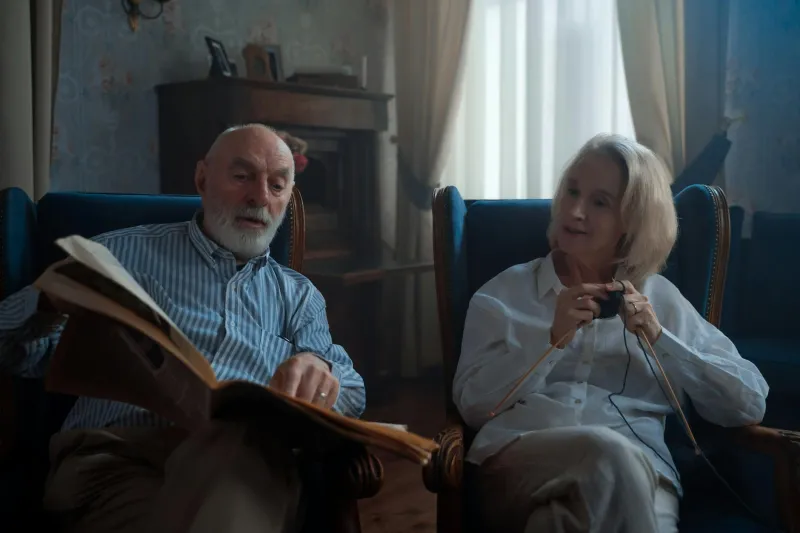
The Thud That Started Sunday
The sound was unmistakable: a soft thud on the front porch, followed by the rustle of plastic wrap being peeled away from something substantial. The Sunday newspaper didn't just arrive—it landed with the weight of importance. Five pounds of newsprint, ink, and shared American consciousness, bundled into sections that would define the next six hours of family life.
Picking up the Sunday paper was a minor physical event. You needed both hands. The bundle was thick enough that rubber bands couldn't contain it—publishers used plastic bags and sometimes string. Inside, the sections were arranged in a deliberate hierarchy: front page news on top, sports and comics buried in the middle like treasures waiting to be discovered.
This wasn't just information delivery. It was a weekly ritual that synchronized American households from coast to coast, creating a shared rhythm of consumption, discussion, and debate that lasted until Monday morning.
The Great Sunday Division
Every family had its own system for dismantling the Sunday paper. Dad got first crack at the front section and sports. Mom claimed the lifestyle pages and real estate listings. Kids dove straight for the comics, spreading the funny pages across the living room floor like a colorful carpet. Teenagers grabbed the entertainment section to check movie times and concert listings.
The sections moved through the house in predictable patterns. After Dad finished scanning the headlines, the front page migrated to Mom, then sometimes to older kids who were expected to "stay informed." The sports section might make three complete circuits before anyone touched the business pages. The classifieds became community reading—everyone gathered around to mock the personal ads or marvel at the price of used cars.
This physical sharing created natural discussion points. "Did you see this story about the mayor?" "Look at this house for sale on Elm Street." "They're finally tearing down the old Woolworth's." The newspaper facilitated conversation because everyone was literally holding pieces of the same information.
The Weight of Everything
A typical Sunday paper in the 1980s contained more information than most Americans consume in a week today. The Los Angeles Times Sunday edition regularly topped 300 pages. The New York Times Sunday paper could exceed 400 pages during the holiday shopping season. These weren't just newspapers—they were weekly encyclopedias of American life.
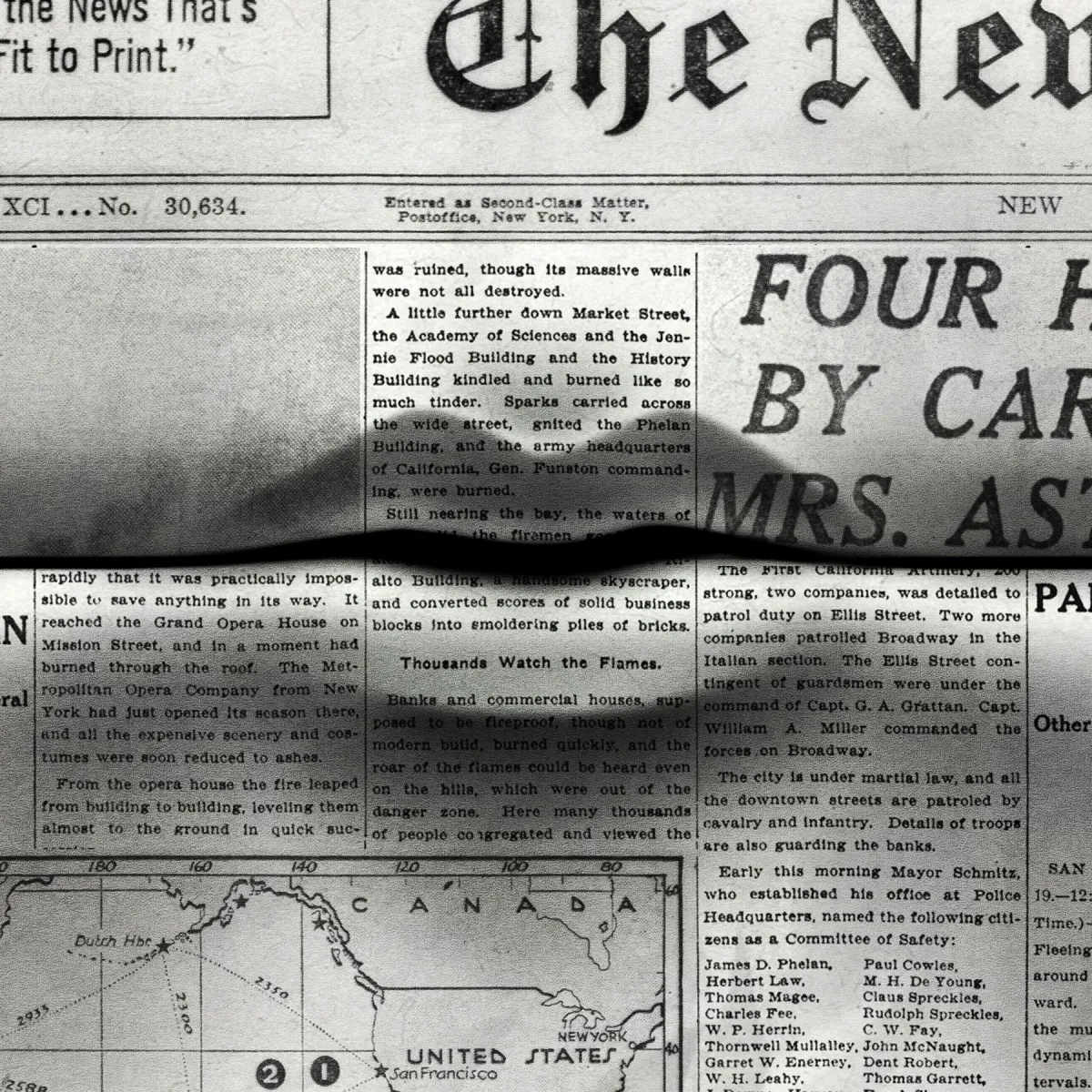 Photo: New York Times, via media.newyorker.com
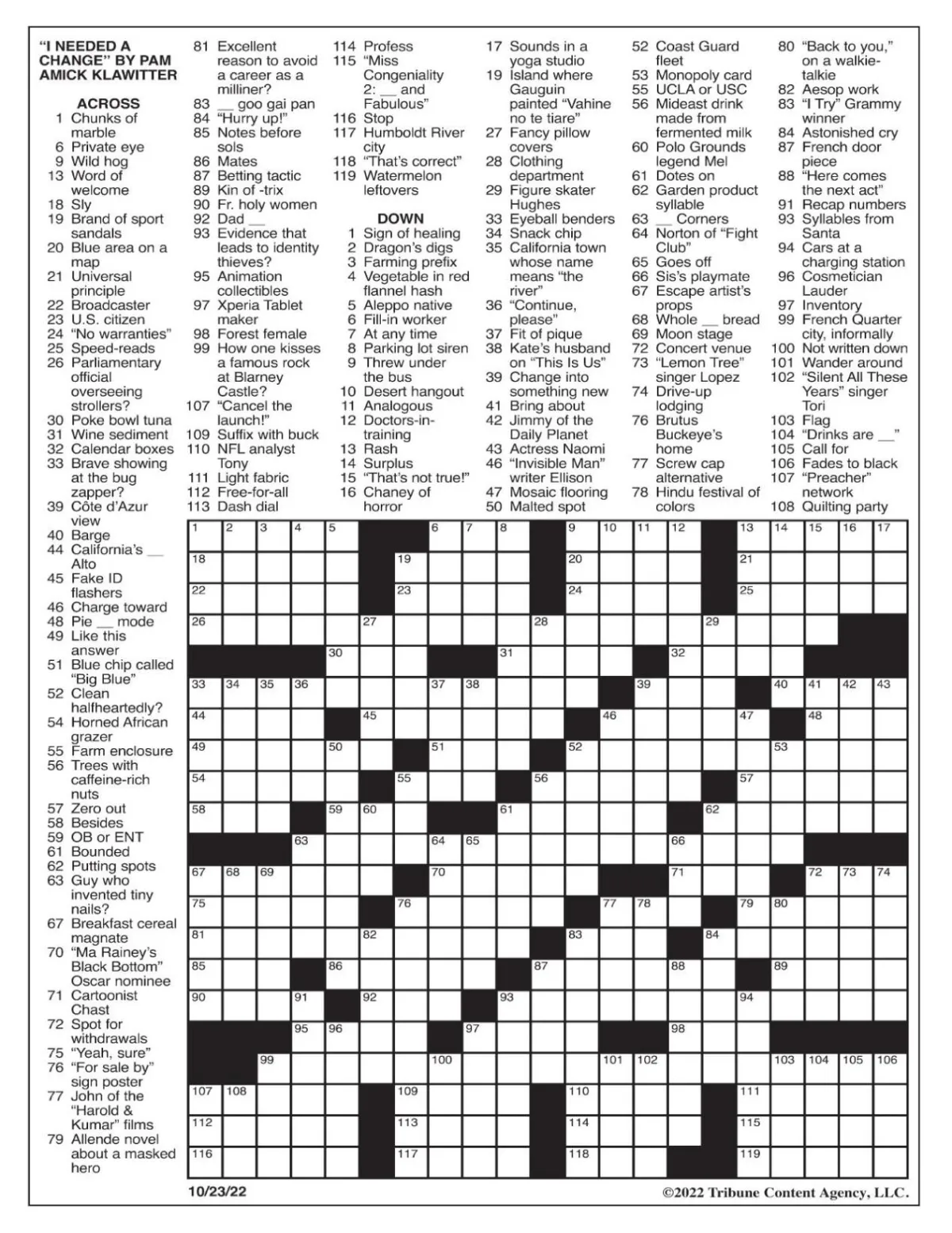 Photo: Los Angeles Times, via freeprintablecrosswords.com
The classified section alone was a marvel of dense information: pages upon pages of job listings, apartment rentals, cars for sale, garage sale announcements, and personal ads that read like tiny soap opera plots. "DWF seeks SM for long walks and meaningful conversation." "1979 Camaro, needs work, $1,200 OBO." "Moving sale: entire household, Saturday 8 AM."
The real estate section functioned as neighborhood surveillance. Families studied the listings not because they were moving, but because they wanted to know what their neighbors' houses were worth. "The Johnsons are asking $180,000? For that little ranch?" The real estate pages were community gossip disguised as market information.
The Performance of Being Informed
Reading the Sunday paper was both private consumption and public performance. Families spread sections across kitchen tables, living room floors, and back porches, creating temporary information landscapes. The physical act of reading was visible—you could see who was catching up on world events, who was checking sports scores, who was lost in the crossword puzzle.
This visibility created social pressure to engage with serious news alongside entertainment. Kids couldn't just read the comics—they had to walk past the front page to get there, absorbing headlines by osmosis. Adults felt obligated to at least scan the editorial pages before diving into the lifestyle sections. The newspaper's physical structure forced a kind of accidental civic engagement.
The Sunday crossword was a particular cultural phenomenon. Families worked on it collectively, calling out clues across rooms. "Seven letters for 'Casablanca' character." "What's a four-letter word for 'ancient Greek marketplace'?" The crossword created a shared intellectual challenge that lasted all day, with the completed puzzle becoming a small family triumph.
The Rhythm of Shared Attention
Sunday morning newspaper reading established a unique pace of information consumption. Unlike today's constant stream of updates, the Sunday paper represented a complete weekly download of everything worth knowing. You read it slowly because it had to last until next Sunday. You read it thoroughly because missing something meant waiting a week to catch up.
This weekly rhythm created shared cultural reference points. Monday morning conversations at work and school often began with "Did you see that story in Sunday's paper about..." Everyone had access to the same information at the same time, creating a common baseline for discussion and debate.
The newspaper also functioned as a time machine, preserving the previous week's events in a physical format that could be revisited, clipped, and saved. Important stories were cut out and stuck to refrigerators or tucked into wallets. The physical newspaper became a personal archive of significant moments.
The Algorithm-Free Experience
The Sunday paper delivered information without personalization algorithms or filter bubbles. Everyone got the same front page, the same editorial perspective, the same mixture of local and international news. This created genuine shared experiences—entire communities reading identical stories, seeing identical advertisements, encountering identical cultural references.
The editorial curation was human and transparent. Editors decided what went on the front page, what got buried on page A17, what deserved a photo, what merited an editorial response. Readers might disagree with these decisions, but they understood that humans were making them based on professional judgment rather than engagement metrics.
Advertisements were part of the content experience, not interruptions to it. The Sunday paper's ad sections—particularly the department store inserts—were destination reading. Families planned shopping trips around newspaper sales, clipped coupons, and compared prices across competing retailers. The ads provided useful information rather than algorithmic manipulation.
The Death of Synchronous News
Today's news consumption is radically different: personalized, constant, fragmented, and often solitary. We each receive different versions of current events based on our browsing history, social media connections, and platform algorithms. The shared baseline of information that the Sunday paper provided has been replaced by millions of individual news experiences.
This shift from synchronous to asynchronous news consumption has changed how Americans discuss current events. Without a common information foundation, conversations about news often begin with establishing basic facts rather than debating interpretations. "Did you hear about...?" has replaced "What did you think about that story we all read?"
The physical ritual of newspaper reading has also vanished. Information now arrives silently through screens rather than landing with a satisfying thud on the front porch. News consumption has become invisible, private, and continuous rather than visible, social, and scheduled.
The Weight of What We've Lost
The five-pound Sunday newspaper represented more than information delivery—it was a weekly ceremony of shared attention. Families gathered around the same stories, debated the same editorials, and solved the same crossword puzzles. The newspaper created temporary communities of readers who experienced the world together, at the same pace, with the same information.
We've gained speed, personalization, and constant updates. We've lost weight, rhythm, and the profound experience of knowing that millions of other Americans were holding the same pieces of paper, reading the same stories, and thinking about the same questions. The Sunday paper was the last mass media experience that truly felt mass—and communal—and we didn't realize how much that mattered until the thud stopped coming.