Climb behind the wheel of a modern SUV, set the cruise control to 75, and settle into climate-controlled comfort for a 500-mile haul to Grandma's house. Your biggest physical challenge might be reaching for the coffee cup. But rewind to 1955, and that same distance represented a genuine athletic endeavor — one that left drivers wrung out, sore, and sometimes genuinely injured.
The Muscle Memory We've Completely Forgotten
Driving a 1950s sedan without power steering meant constantly wrestling with a steering wheel that fought back. Make a U-turn, and you'd feel it in your shoulders the next morning. Parallel park downtown, and your forearms would burn like you'd been doing pull-ups.
But highway driving presented the real endurance test. Maintaining direction on a straight road required constant micro-corrections — tiny steering adjustments every few seconds that added up to thousands of small muscular efforts over a day's drive. Your hands would cramp around the wheel. Your right leg would ache from holding steady pressure on a gas pedal that had no cruise control to relieve it.
Modern drivers literally cannot comprehend the physical effort their grandparents expended just to maintain 55 mph for eight hours straight.
When Air Conditioning Was a Luxury, Not a Given
Picture crossing Nevada in July without air conditioning. Windows down meant hurricane-force wind and desert dust coating everything in your car. Windows up meant a rolling oven that could reach 120 degrees by mid-afternoon.
Most drivers chose the wind. But highway-speed air flow created its own problems. The constant buffeting was exhausting. Road noise made conversation impossible. Dust and debris turned every trip into a sandblasting session.
Drivers would arrive at their destinations genuinely dehydrated and sun-beaten. Gas stations sold salt tablets alongside motor oil because long-distance drivers needed to replace what they'd sweated out behind the wheel.
The Transmission That Demanded Your Full Attention
Automatic transmissions existed in the 1950s, but they were expensive options that most families skipped. Manual transmissions meant your left leg spent the entire trip working a clutch pedal — especially brutal in stop-and-go traffic or mountain driving.
Climbing the Rockies in a three-speed manual meant constant shifting, double-clutching on steep grades, and riding the clutch to prevent rollbacks at stop signs. Your left calf would be screaming by Denver, and you still had 600 miles to go.
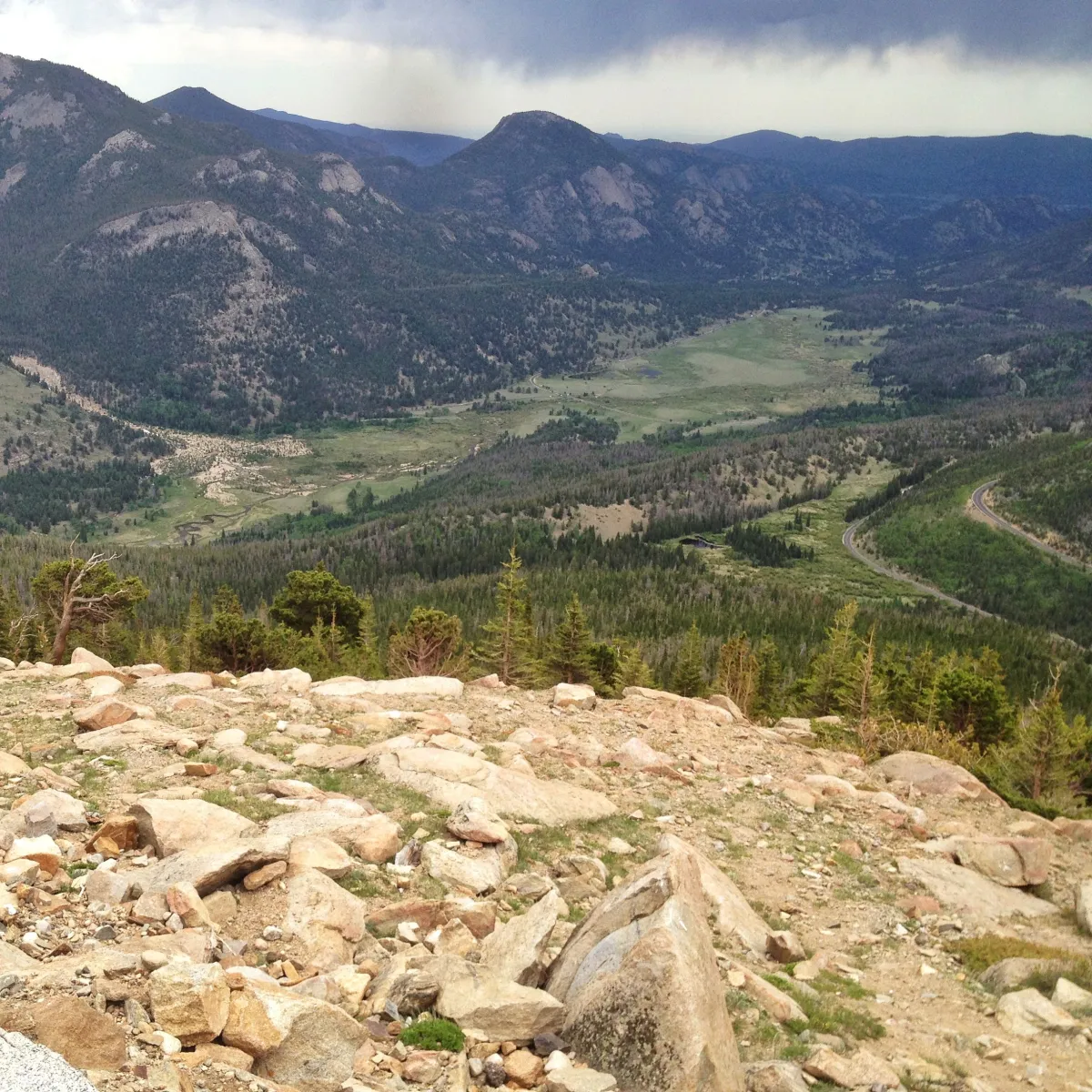 Photo: the Rockies, via i.pinimg.com
Downshifting for mountain descents was an art form that required perfect timing and significant leg strength. Miss the shift, and you'd either stall the engine or over-rev it. Get it right, and you'd still feel the effort in your knee joints for days.
When Every Mile Required Active Decision-Making
Without cruise control, maintaining highway speed meant constant throttle adjustments. Too little pressure and you'd slow down, frustrating traffic behind you. Too much and you'd waste gas or risk a speeding ticket.
This sounds trivial until you multiply it across 10 hours of driving. The mental fatigue of making thousands of tiny speed decisions, combined with the physical effort of maintaining those decisions, left drivers genuinely depleted.
Modern cruise control doesn't just save gas — it eliminates an entire category of muscular and mental work that used to define long-distance driving.
The Geography of Exhaustion
Physical driving demands shaped where Americans chose to live and work. Commutes over 30 miles were genuinely punishing in ways that modern drivers can't appreciate. The daily round-trip from suburb to city represented serious physical labor.
Families planned vacations around driver endurance rather than just distance and time. A 400-mile trip wasn't just an eight-hour commitment — it was a physical challenge that required recovery time on both ends.
Cross-country moves were expeditions that required multiple drivers or extended rest stops. The idea of driving from New York to California solo wasn't just ambitious — it was borderline dangerous from a fatigue perspective.
The Lost Art of Driver Conditioning
Experienced long-distance drivers developed specific physical techniques that seem absurd today. They'd exercise their hands and forearms to build steering strength. They'd practice smooth throttle control to reduce leg fatigue. They'd develop elaborate stretching routines for rest stops.
Truck drivers were genuinely athletes — not because of loading and unloading cargo, but because of the physical demands of controlling their vehicles for 10 hours straight.
Gas station attendants would often ask drivers if they needed a break, not just because of service culture, but because they could recognize the physical signs of driving fatigue: cramped hands, stiff necks, and the slightly glazed look of someone who'd been fighting with a steering wheel all morning.
When Rest Stops Actually Meant Rest
Highway rest areas weren't just bathroom breaks — they were recovery periods. Drivers would genuinely need 15-20 minutes to stretch out cramped muscles and reset their grip strength.
The rise of roadside massage parlors and "health spas" in the 1960s wasn't entirely about what you might think — many were legitimate businesses serving drivers who needed muscle relief after long hauls.
Motel swimming pools served a practical purpose beyond recreation: they were therapeutic soaks for drivers whose bodies had been beaten up by hundreds of miles behind the wheel.
The Invisible Revolution in Our Driveways
Today's power steering, cruise control, automatic transmissions, and climate control didn't just make driving more comfortable — they eliminated an entire category of human physical effort. Modern Americans can drive coast-to-coast without breaking a sweat or building any meaningful muscle memory.
This transformation was so gradual and so complete that we've forgotten it ever happened. But the evidence lives in our infrastructure: rest areas spaced for physical recovery rather than just fuel stops, motels designed around driver rehabilitation, and highway engineering that assumed human endurance had limits.
What We Gained When We Lost the Workout
Modern driving's physical ease opened up possibilities that previous generations couldn't imagine. Longer commutes became feasible. Cross-country moves became routine. Road trips became accessible to elderly drivers and families with young children.
But something was lost too. Driving used to be a skill that required genuine physical conditioning and mental focus. It connected drivers to their machines and their journeys in ways that modern cruise-controlled highway hypnosis never could.
The next time you set your cruise control and settle back into climate-controlled comfort, remember: your grandparents earned every mile they traveled, one steering correction and throttle adjustment at a time.