The Poison Paradise of Classic Chrome
Walk through any classic car show today, and you'll see them gleaming under the sun: pristine 1957 Chevys, immaculate 1965 Mustangs, and restored muscle cars that represent the golden age of American automotive design. Their owners lovingly polish every chrome detail, proud to preserve these rolling works of art.
What they're actually preserving are some of the most toxic objects ever mass-produced for American families.
Those beautiful classics weren't just transportation — they were mobile chemistry labs filled with materials we now know cause cancer, brain damage, and respiratory disease. The cars we celebrate as the pinnacle of automotive achievement were quietly killing the people who drove them, and nobody knew it at the time.
When Brake Dust Was a Death Sentence
The most insidious killer hiding in classic cars was asbestos, woven throughout the brake system in ways that made exposure almost inevitable. Every time a driver pressed the brake pedal, microscopic asbestos fibers became airborne, circulating through the car's ventilation system and settling into the cabin.
Asbestos wasn't just in the brake pads — it was in the clutch facings, gaskets, and heat shields. Mechanics working on these cars received massive doses of exposure, but so did ordinary drivers during routine maintenance. Changing brake pads in your driveway was essentially an unprotected asbestos removal operation.
The automotive industry knew asbestos was effective at handling heat and friction, but they didn't understand — or chose to ignore — its devastating health consequences. Internal documents from major manufacturers show they continued using asbestos well into the 1980s, even as evidence of its dangers mounted.
Mechanics from this era now suffer from mesothelioma and other asbestos-related diseases at alarming rates. But the exposure wasn't limited to professionals — it extended to anyone who spent significant time in these cars or worked on them at home.
The Lead Paint Paradise
Those gorgeous paint jobs that make classic cars so visually stunning were loaded with lead, creating a toxic shell around the passenger compartment. Lead-based automotive paints provided rich, durable colors that seemed to glow with an inner light — the kind of finish that modern water-based paints still struggle to match.
But lead paint didn't just sit passively on the car's surface. It chipped, flaked, and created dust that accumulated inside the vehicle. Children riding in the back seat were essentially sitting in a lead-contaminated environment, breathing particles that could cause developmental delays, learning disabilities, and behavioral problems.
The restoration process for these cars is now recognized as a significant lead hazard. Professional restoration shops require specialized ventilation systems and protective equipment that would have seemed absurd to the backyard mechanics of the 1960s and 70s.
Even today, classic car enthusiasts working on original paint face serious exposure risks. That beautiful patina that collectors prize is often a layer of lead-based compounds that become airborne the moment you start sanding or grinding.
The Chemical Cocktail Interior
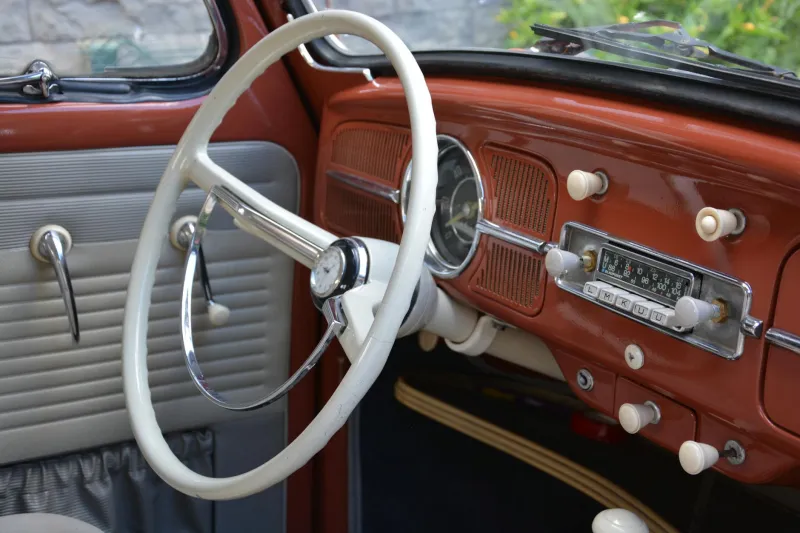
Step inside a classic car, and you're entering what was essentially a mobile chemical processing plant. The "new car smell" that Americans loved was actually the off-gassing of dozens of synthetic compounds used in plastics, adhesives, and synthetic materials.
Vinyl seats were treated with plasticizers that made them soft and flexible, but also released phthalates into the cabin air. Dashboard plastics contained formaldehyde-based resins that continued to off-gas for years. Carpets and upholstery were treated with flame retardants and stain-resistant chemicals that we now know accumulate in human tissue.
The enclosed cabin of a car created a concentrated environment where these chemicals could build up to levels far higher than in homes or offices. On hot summer days, when cars sat in parking lots with windows closed, the chemical concentrations became even more intense.
Families taking long road trips were essentially exposing themselves to a chemical bath, breathing concentrated doses of compounds that modern safety standards would never allow.
The Irony of Automotive Beauty
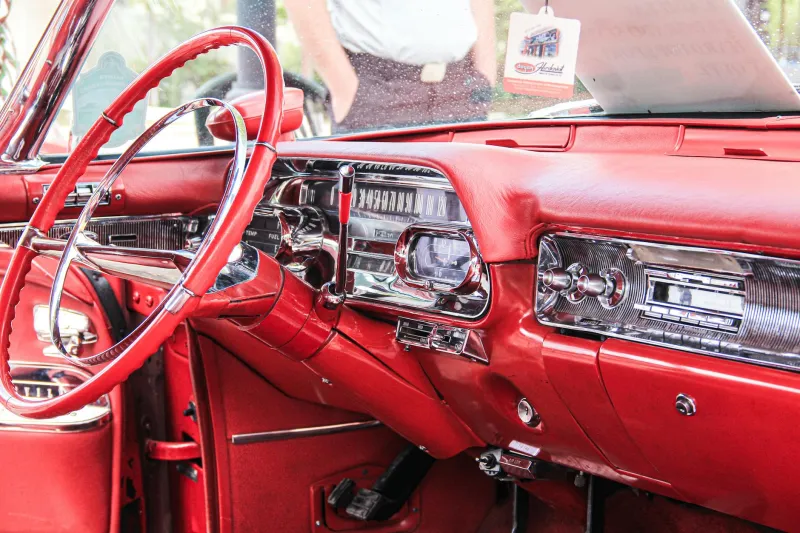
The most tragic aspect of this toxic legacy is that the deadliest cars were often the most beautiful. The rich chrome that defined 1950s automotive styling contained hexavalent chromium, a known carcinogen. The deep, lustrous paints that made these cars works of art were loaded with heavy metals. The luxurious interiors that represented the height of automotive comfort were chemical factories.
Automakers weren't intentionally poisoning their customers — they were using the best materials available with the knowledge they had at the time. Asbestos was considered a miracle material for its heat resistance. Lead paint provided unmatched durability and color. Chemical plastics offered new possibilities for comfort and style.
But the result was that America's most beloved cars were also its most dangerous. The vehicles that symbolized freedom, prosperity, and technological progress were quietly compromising the health of everyone who used them.
When Safety Meant Something Different
Automotive safety in the classic car era focused almost exclusively on crash protection — and barely that. The idea that materials themselves could be dangerous was largely foreign to manufacturers and consumers alike. Safety meant stronger bumpers and better brakes, not analyzing the chemical composition of interior materials.
Regulatory oversight was minimal. The EPA didn't exist until 1970, and even then, automotive materials weren't a priority. Asbestos wasn't banned from brake pads until the 1990s. Lead paint remained legal in cars long after it was prohibited in homes.
Consumers had no way to know they were being exposed to dangerous materials. There were no warning labels, no safety data sheets, no requirement for manufacturers to disclose the chemical composition of their products.
The Long Shadow of Beautiful Poison
Today's classic car restoration industry grapples with this toxic legacy daily. Professional shops invest heavily in protective equipment and specialized disposal procedures. Restorers wear hazmat suits to work on cars that their grandfathers maintained in t-shirts and jeans.
The health consequences continue to unfold. Auto mechanics from the asbestos era are dying from diseases that take decades to develop. Classic car enthusiasts who spent years working on original vehicles are discovering the delayed effects of chemical exposure.
Yet the cars themselves remain objects of desire and admiration. Their toxic materials are part of what made them beautiful — the deep paints, the durable chrome, the soft interiors that defined automotive luxury.
Beauty and Its Price
Modern cars are marvels of safety engineering, built with materials that have been tested for toxicity and regulated for human exposure. They're safer, cleaner, and more environmentally responsible than anything that came before.
But they're also, by most measures, less beautiful. Water-based paints lack the depth of lead-based finishes. Plastic chrome doesn't gleam like the real thing. Synthetic materials, however safe, don't have the rich textures and smells that defined automotive luxury.
The classic cars we celebrate at shows and auctions represent a time when beauty came first and safety was an afterthought. They're gorgeous, dangerous time capsules — reminders that progress sometimes means giving up things we loved, even when we loved them for all the wrong reasons.