Gas Stations, Paper Maps, and a Prayer: The Road Trip America Used to Know
Gas Stations, Paper Maps, and a Prayer: The Road Trip America Used to Know
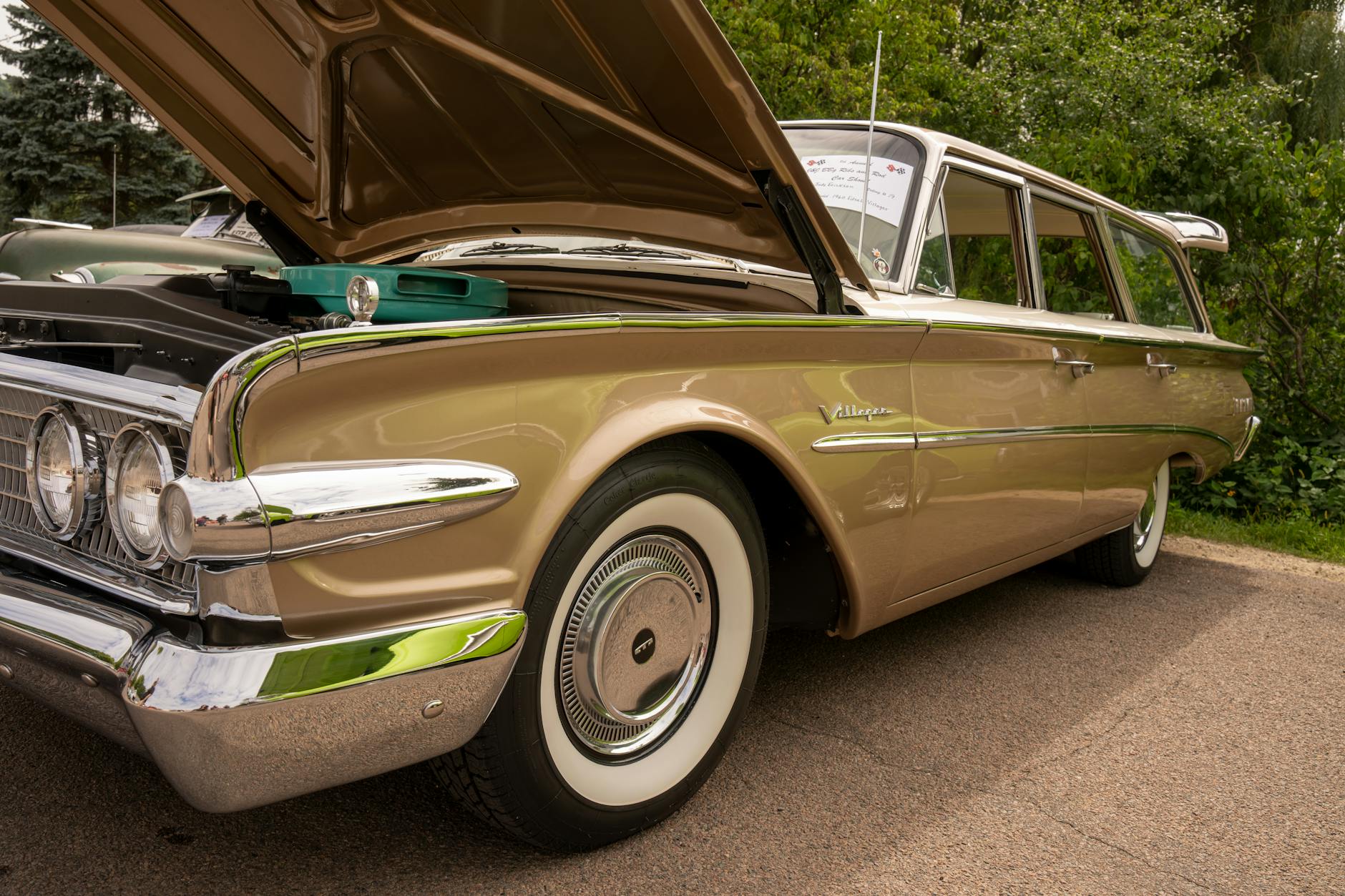
There's a version of the American road trip that lives permanently in soft focus — a station wagon loaded to the roof, kids pressed against the windows, and a dad squinting at a Rand McNally map spread across the steering wheel. It feels nostalgic, even romantic. But spend five minutes actually thinking about what those trips required, and the romance starts to curdle just a little.
The road trip hasn't gone anywhere. Americans still pile into their vehicles every summer and head somewhere new. But the experience has shifted so dramatically that a traveler from 1962 would barely recognize what we're doing today — and honestly, they might have a few fair criticisms.
When the Highway System Was Still Being Built
Here's a fact that tends to surprise people: the Interstate Highway System, which now stretches across more than 48,000 miles of the country, wasn't declared complete until 1992. President Eisenhower signed the Federal Aid Highway Act back in 1956, but construction crawled forward for decades. In the late 1950s and through much of the '60s, driving from Chicago to Los Angeles meant stitching together a patchwork of state routes, two-lane blacktop, and the occasional dirt detour.
Route 66 — that legendary road — was the primary artery connecting the Midwest to California for much of that era. The drive covered roughly 2,400 miles. Without modern highways and with speed limits that varied wildly by state, a family making that trip could expect to spend ten days to two weeks on the road, depending on stops, breakdowns, and whether they could actually find a motel room at the end of each day.
That last part mattered more than people remember. There was no booking ahead online. You pulled into a town, looked for a vacancy sign, and hoped. During peak summer travel, families regularly drove well past dark searching for somewhere to sleep. AAA TripTiks — those customized flip-book route guides the auto club produced — became genuinely valuable tools because they told you not just where to go, but where to stop.
The Unsung Heroes of the Pre-GPS Era
Gas station attendants were, without exaggeration, a critical part of American travel infrastructure. Full-service stations were the norm through the 1970s, meaning someone came out to pump your gas, check your oil, clean your windshield, and — crucially — answer the question every traveler eventually asked: "Which way to the highway?"
These guys were human GPS units. They knew the local roads, the detours around construction, the diner worth stopping at twelve miles up the road. When self-service stations took over through the late '70s and '80s, something genuinely useful quietly disappeared.
Roadside diners filled a similar role. Chains existed, but they were far less dominant. You stopped where the parking lot looked full, because a full parking lot meant locals ate there, and locals knew what was good. There was a whole informal intelligence network built into road travel that required you to actually talk to people.
What the Modern Trip Looks Like
Today, driving from Chicago to Los Angeles takes roughly 28 to 32 hours of actual drive time — typically split over two or three days if you're not in a rush. You'll follow Interstate 40 for most of it, a road so well-marked and consistent that you could practically drive it in your sleep. (Please don't.)
Your phone tells you where to turn before you need to turn. It reroutes around accidents in real time. It knows where the next charging station is if you're in an EV, what the wait time looks like, and whether the coffee at the adjacent truck stop is worth the detour. Hotel rooms are booked before you leave the driveway. Your playlist is queued. Your podcast is downloaded.
The logistics that once required serious planning — sometimes weeks of it — have collapsed into a few taps on a screen.
What We Gained, and What Quietly Walked Out the Door
The efficiency gains are undeniable. Modern road trips are safer, faster, more comfortable, and dramatically less stressful. You are genuinely unlikely to get lost. You will almost certainly find somewhere to sleep. Your car will almost certainly not break down, and if it does, roadside assistance is a phone call away.
But there's a texture that's harder to quantify. The old road trip forced a kind of presence — you had to pay attention to where you were, ask questions, make decisions without perfect information. Getting slightly lost in a small town sometimes meant discovering something you never would have found otherwise. The friction wasn't only inconvenience; it was also the mechanism through which unexpected things happened.
Today's road trip is optimized. And optimization, by definition, tends to sand off the rough edges — including the ones that occasionally turned into good stories.
The Road Still Wins
None of this is an argument for throwing your phone out the window and buying a Rand McNally. The old way was harder, and harder isn't automatically better. Families spent real money on motels they hadn't planned for, burned vacation days getting somewhere instead of being somewhere, and occasionally had genuinely miserable experiences that no amount of nostalgia can rehabilitate.
But the American road trip has always been about more than the destination. It's about the in-between — the miles, the conversations, the unplanned stops. The tools have changed completely. Whether the spirit has is something every driver gets to decide for themselves.
The highway is still out there. It just comes with better directions now.